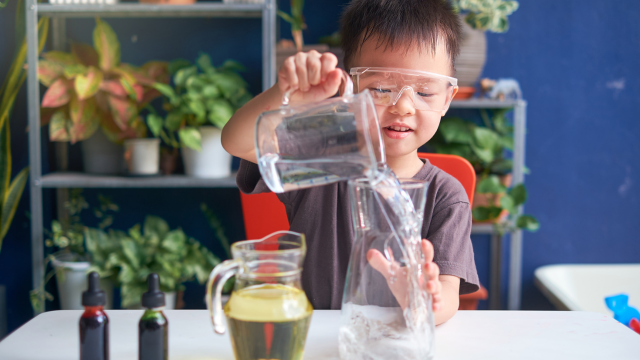
There’s a quiet kind of magic that happens when we pause long enough to notice. The sparkle in a child’s eyes as sunlight filters through a jar of water. The hum of concentration as small hands balance shells, pour sand, or stack stones in careful patterns. The laughter that bursts out when a puddle splashes higher than expected.
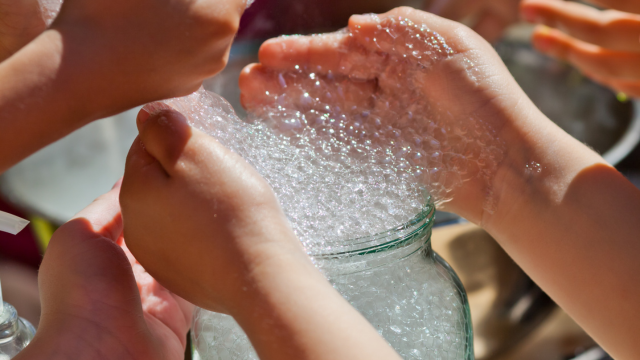
These are not planned learning moments - they are spontaneous, heartfelt expressions of discovery. They are the heartbeat of early childhood. And within them lives the essence of the Curiosity Approach: a call to slow down, simplify, and rediscover the extraordinary in the ordinary.
This philosophy invites kaiako to step away from the noise, the plastic, and the rush, and to return to what matters most - connection, wonder, and presence. It’s not about doing more; it’s about doing less with intention. It’s about creating calm, authentic spaces that whisper to tamariki: you belong here, and the world is waiting to be explored.
Living Te Whāriki Through Curiosity
The Curiosity Approach aligns effortlessly with Te Whāriki, Aotearoa’s early childhood curriculum that weaves the strands of wellbeing, belonging, contribution, communication, and exploration into every aspect of learning. It breathes life into Mana Aotūroa – Exploration, reminding us that children learn through active engagement with their environment, through play, through relationships, and through curiosity itself.
When we trust children to lead their learning, we honour the vision that Te Whāriki sets before us - that tamariki are competent and capable learners who construct meaning through interaction with people, places, and things. Curiosity becomes the thread that connects the curriculum’s principles to everyday practice.
In these moments of exploration, we also live He Māpuna te Tamaiti. We create emotionally safe, nurturing spaces where children feel seen, heard, and valued - because curiosity thrives when wellbeing does. When kaiako are calm and responsive, tamariki feel free to take risks, make discoveries, and ask bold questions.
The Environment as a Living Teacher
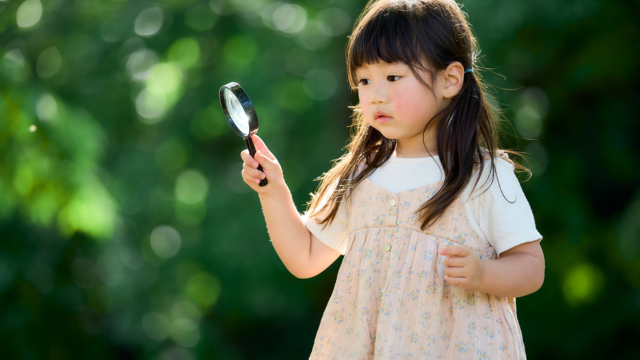
When you walk into a curiosity-inspired centre, something immediately feels different. The lighting is soft, the sounds are gentle, and everything seems to have a story. A teacup with a crack in the rim. A collection of feathers found on a morning walk. A basket of river stones smooth from years of water’s touch.
These are not decorations. They are taonga - treasures that hold mana and invite exploration.
The environment becomes a living teacher, guiding tamariki toward learning that is sensory, relational, and grounded in the real world. Each texture, scent, and sound offers an invitation to wonder. Plastic gives way to purpose. Overstimulation gives way to peace.
Within this philosophy, kaitiakitanga (guardianship) and manaakitanga (care and hospitality) come alive. We model respect for materials, for nature, and for the histories objects carry. We show tamariki what it means to care for their space and the people within it.
Through whanaungatanga (connection), our environments become more than physical spaces - they become places of identity. They reflect our communities, our whānau, and our shared stories. They remind children that they are part of something bigger - a living, breathing world full of wonder and possibility.
The Kaiako as Co-Explorer
At the heart of the Curiosity Approach is the kaiako - not as instructor or manager, but as co-explorer. We don’t need to know all the answers. In fact, curiosity flourishes when we don’t. When we ask,
“I wonder what might happen if we try this?”
“What do you notice about that?”
“How could we find out?”
-we invite children into a shared journey of discovery.
This is where Te Whāriki’s principle of empowerment truly shines. Children learn best when they are trusted to make choices, to experiment, to test ideas, and to take ownership of their learning. Our role is to nurture that spark - not to control it.
Through this stance of curiosity, we also strengthen emotional connection. As He Māpuna te Tamaiti reminds us, when we slow down, observe deeply, and respond with empathy, we model the very dispositions we hope to grow: patience, reflection, confidence, and kindness.
Sometimes the Curiosity Approach is mistaken for an aesthetic - neutral tones, wooden toys, beautiful displays. But that is only the surface, the real essence of this philosophy is a mindset. It’s about slowing down, noticing more, and rediscovering joy in the small things. It’s about valuing process over product and depth over decoration.
In a world that moves quickly, this approach is a gentle rebellion - a return to simplicity. It reminds us that tamariki don’t need constant stimulation; they need space, trust, and time. They need opportunities to think, to repeat, to wonder.
When curiosity guides our practice, children become thinkers, creators, and problem-solvers. They learn to persist when things get tricky, to find beauty in the unexpected, and to experience pride in their discoveries. These are not just skills - they are dispositions that shape lifelong learning.
A Sense of Place and Belonging
In Aotearoa, curiosity is woven through whakapapa and connection to whenua. Every leaf, every stone, every gust of wind carries a story.
When tamariki explore the outdoors, they are not just learning about the world - they are forming relationships with it. They are becoming kaitiaki, protectors of their land and environment. Through pūrākau (storytelling), waiata (song), and karakia (ritual), we help them see that curiosity is part of who we are - an expression of our connection to people, place, and time.
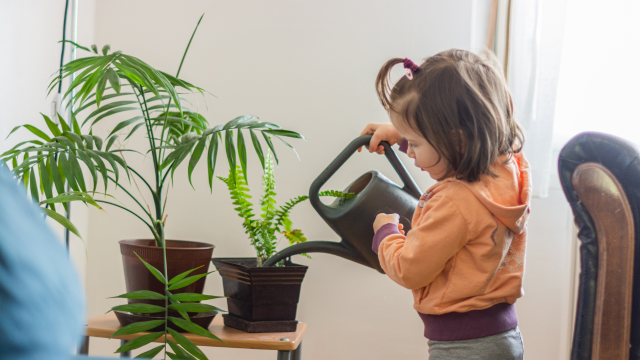
When children play in the garden, gather leaves, or notice the moon’s phases, they are connecting with nature and identity in the most authentic way possible. This is Te Whāriki’s vision in motion - learning that is holistic, relational, and grounded in belonging.
Rediscovering Ourselves
Perhaps the greatest transformation happens not in the children, but in us.
The Curiosity Approach encourages kaiako to reflect:
- Do I make room for wonder, or do I fill every moment?
- Do I offer time for deep play, or do I rush on to the next thing?
- Do I value silence as much as speech?
As we simplify our environments, we often find clarity within ourselves. We remember why we began this work - not to tick boxes or manage outcomes, but to nurture hearts and minds.
We rediscover joy - the joy of slowing down, of truly observing, of letting the day unfold naturally. We learn that sometimes, the most powerful teaching happens not when we plan it, but when we simply allow it.
When we embrace curiosity, we also embrace ourselves - the reflective, intentional, passionate kaiako we set out to be.
So this week, maybe plan less and notice more. Let go of one expectation and replace it with space. Watch what happens when curiosity is given the room to lead, because in the end, the Curiosity Approach isn’t about teaching tamariki to be curious - it’s about remembering how to be curious ourselves.

Jessica Thomson
Share your thoughts...