In Aotearoa, early childhood education is uniquely shaped by our bicultural foundation. We are one of the only countries in the world whose curriculum explicitly honours the Indigenous language, worldview, and cultural identity of its first peoples. Te reo Māori is not an optional extra or seasonal activity, it is a taonga that sits at the heart of Te Whāriki and our professional responsibility as kaiako.
And yet, this is also where the tension lives… Because while the aspiration is clear, the reality in centres is often complicated. Kaiako carry fear of mispronunciation. They worry about using phrases incorrectly. They feel pressure to “tick the cultural box” without always having the confidence or depth of knowledge to embed te reo Māori in authentic ways. Some have grown up without exposure to te ao Māori. Some feel they are “not Māori enough.” And others have experienced pushback from whānau who do not want their child engaging with the language at all.
So how do we navigate all of this? How do kaiako uphold their professional obligations, honour the language, and avoid tokenism, while also responding respectfully and compassionately to the diverse expectations and beliefs held within our whānau community?
To answer that, we need to go right back to the heart of bicultural practice.
Understanding the Intention: Why Te Reo Māori Must Be Embedded, Not Added On
Te reo Māori is intrinsically tied to identity, worldview, relationships, and connection. It shapes the way we see the world and the way we interact with each other. For Māori children, seeing and hearing their language is an affirmation of mana - a signal that they belong deeply, fully, and proudly in our space. For non-Māori children, it is part of growing up in Aotearoa - learning the language of this land and developing an understanding of the people whose whakapapa is woven through it.
Te Whāriki (2017) is explicit: bicultural practice is a foundation of the curriculum. Mana Whenua and Mana Reo speak directly to the importance of children hearing, exploring, and using te reo Māori as part of their learning. The Professional Growth Cycle and Teaching Council standards place cultural competence and bicultural practice at the centre of what it means to be a teacher in Aotearoa.
So embedding te reo Māori is not a trend. It’s not a role we take on only during Matariki, Māori Language Week, or when the Ministry sends a resource. It’s not something we sprinkle into the programme when we remember.
It is a commitment, and that commitment requires authenticity.
Tokenism: What It Looks Like - And Why It Happens
Tokenism does not mean “using te reo Māori.” It means using it in ways that lack depth, intention, or meaning. Tokenism can look like:
- saying a karakia with no understanding of its purpose
- using one kupu Māori repeatedly because it’s “safe”
- creating Māori resources only during special cultural celebrations
- displaying kupu Māori on walls that are never referred to
- forcing te reo Māori into planning simply to prove it is there
Most tokenism is not malicious - it is symptomatic of a system where many kaiako have not been taught te reo Māori themselves, and where professional development opportunities have historically been uneven, kaiako often end up using what they know, what they’ve heard, what they’re comfortable with and that can unintentionally lead to superficial practice.
Authentic bicultural practice asks us to move deeper than that.
Authenticity is not fluency. Authenticity is intention. It’s using te reo Māori because it matters to the moment, not because it must be recorded on a planning sheet.
Authentic practice sounds like this:
During play:
"Āta mahi! You’re working so carefully.”
During conflict resolution:
"Me kimi tātou he rongoā. Let’s find a solution together.”
During care routines:
"Kei te hiakai koe? Are you hungry?”
During nurturing moments:
"Kei konei au. I’m here.”
It’s woven through emotion coaching, storytelling, transitions, moments of connection, laughter, wonder, and curiosity. It appears in the same rhythm and tone as English, because it is part of your natural teaching voice.
Authenticity grows from your own learning. One new kupu a week. One new phrase a month. One new waiata each term. The aim is not quantity- the aim is meaning.
When the language you use is meaningful to you, it becomes meaningful to tamariki.
Building Centre Culture: Where Te Reo Māori Lives and Breathes
Te reo Māori should not be owned by one teacher who is “good at it.” If your centre relies on one “confident speaker,” then the practice becomes vulnerable. Authentic bicultural culture happens when:
- the environment uses te reo Māori naturally, not decoratively
- the team leaders model its use
- new staff are supported to learn
- whānau see and hear the language in daily routines
- tamariki experience te reo Māori through play, not lessons
- mistakes are welcome; practice is celebrated
When the whole team is committed, the culture shifts from tokenism to identity.
You know te reo Māori is alive in your centre when:
- a toddler says “awhi?” when offering comfort
- a preschooler counts their blocks in both languages
- a child calls out “titiro!” because they’ve found something exciting
- team members greet each other in te reo naturally
- whānau feel a sense of belonging when they hear their culture reflected
This is genuine bicultural practice and this is what we strive for.
The Hard Stuff: When Whānau Ask for Their Child Not to Engage in Te Reo Māori
This is one of the most complex situations educators face - and it is more common than people realise. Sometimes the concern is cultural. Sometimes it’s political. Sometimes it comes from misinformation. And sometimes it’s about personal beliefs or past experiences.
But here’s the truth: A request to remove te reo Māori from a child’s learning cannot be honoured in the way some whānau expect, because it is professionally, legally, and curricularly impossible.
Te reo Māori is an official language of Aotearoa.
It is embedded in Te Whāriki.
It is part of our Teaching Council requirements.
It is part of Te Tiriti o Waitangi obligations.
It is woven into the daily rhythm of an ECE programme.
But that doesn’t mean we dismiss whānau. Instead, we navigate the conversation with deep respect and genuine curiosity.
A powerful opening is:
“I’d love to understand your thinking around this. Can you tell me what your concerns are?”
Often whānau fear that “too many languages will confuse children” or “they will fall behind in English.” Others may feel their own culture is being replaced or overlooked. Some may simply feel unfamiliar or uncomfortable because they didn’t grow up with te reo Māori. And some may hold personal, political, or intergenerational perspectives that need to be heard, not dismissed.
The key is to hold space for their story, and then gently share the reality:
“In early childhood, te reo Māori isn’t taught through lessons. It’s part of play, care, routines, and relationships, much like English. Because we follow Te Whāriki and uphold Te Tiriti o Waitangi, te reo Māori is woven throughout our environment. While we can’t remove the language entirely, we absolutely can work together to make sure you feel informed, respected, and included.”
Educators can reassure whānau that:
- their child will not be “forced” into language lessons
- te reo is integrated gently and naturally
- learning te reo benefits brain development
- exposure does not replace their home language or values
- bilingual environments actually strengthen overall communication
- te reo Māori belongs to all children in Aotearoa
If the parent still disagrees, you hold your boundary with compassion:
“We respect your viewpoint, and we will continue to care deeply for your child. We also need to uphold our responsibilities as teachers. Your child will continue to hear and see te reo Māori naturally in our environment, but we will make sure their experiences are respectful, warm, and centred on their wellbeing.”
You can maintain the relationship.
You can maintain the culture.
You can maintain your professional integrity.
It does not require conflict - only clarity and kindness.
Growing Your Own Confidence: The Heart of Anti-Tokenism Practice
The reason tokenism appears in centres is usually because teachers do not feel confident or equipped. So the most powerful step you can take as a kaiako is to continue your own learning. This might look like:
- learning the meaning behind the kupu you already know
- joining te reo Māori beginners’ classes or online study groups
- practising pronunciation with colleagues
- using Māori Dictionary or “Kupu” to check meaning
- adding small daily goals to your Professional Growth Cycle
- inviting whānau Māori to share stories or kupu
- watching short videos on tikanga and cultural protocols
- reflecting regularly on your practice as part of your inquiry
The more you know, the more natural your practice becomes.
The more natural it is, the more authentic it feels to tamariki.
The more authentic it feels, the further you move away from tokenism.
And that’s the whole point, right?
Your Courage Matters
Embedding te reo Māori is not easy work, especially when you feel inexperienced or when whānau challenge your practice. But this is also part of what makes it deeply meaningful.
Every time you choose te reo Māori, you choose honouring.
Every time you learn a new word, you choose growth.
Every time you use it in front of tamariki, you choose courage.
Every time you pause to reflect, you choose authenticity.
Your voice, your effort, and your ongoing commitment contribute to a future where te reo Māori lives confidently in the hearts of the next generation and you don’t need to be perfect, you just need to be willing.
Kia kaha te reo Māori.
Kia māia te kaiako.
Kia manawanui te ako.
When we teach with heart, with cultural integrity, and with genuine openness, we give tamariki something that lasts far beyond our classrooms, a sense of belonging, identity, and connection to the land they stand upon.
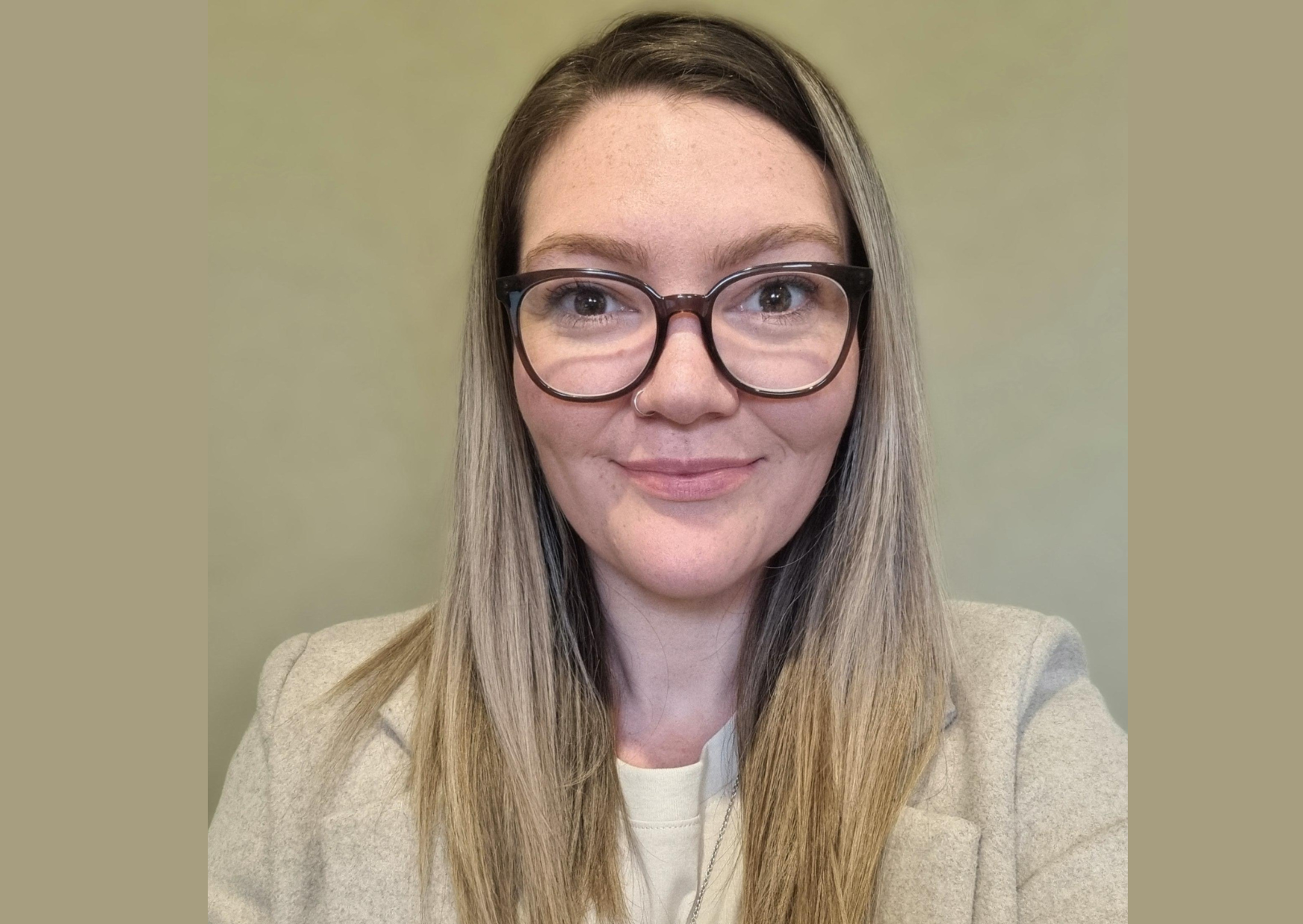
Jessica Thomson
Share your thoughts...