If you’ve worked in early childhood education for more than five minutes, you’ve probably seen it: a child exploring their body during nappy changes, two toddlers giggling as they compare who has what, or a preschooler announcing loudly that someone has a “willy.”
For many kaiako, these moments can feel awkward or unexpected. You pause. You check your tone. You wonder, Is this normal? Am I responding the right way?
The truth is - yes. Body exploration in the early years is normal, healthy, and developmentally expected. And the way we respond as educators matters more than the behaviour itself.
In Aotearoa, our curriculum and child protection frameworks give us a clear direction on how to guide tamariki with respect, evidence-informed knowledge, and calm confidence. Let’s unpack what that looks like in real life.
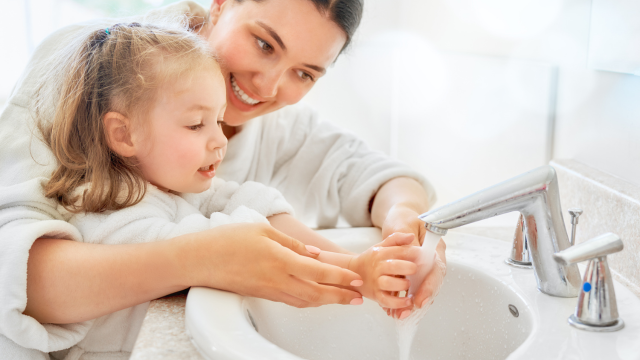
Children Are Curious And That Includes Their Bodies
Children explore everything: bugs, blocks, friends, language, routines - and their bodies. In the early years, sexual behaviour is not sexual in intent. It’s sensory, social, and rooted in learning.
A toddler might touch their genitals because it feels soothing.
A preschooler might lift their shirt to show a friend their “tummy muscles.”
A four-year-old might ask why some people have a penis and some have a vulva.
This curiosity fits naturally within Te Whāriki, especially:
- Wellbeing | Mana Atua – protecting and supporting children’s physical and emotional safety
- Exploration | Mana Aotūroa – developing working theories about the world, including their own bodies
Children learn by doing, touching, and asking. For them, this is no different than learning how sand feels or how plants grow.
So What’s “Normal” Sexual Behaviour in Early Childhood?
Research (like Friedrich et al., 1998) and NZ organisations such as TOAH-NNEST and Safeguarding Children NZ outline characteristics of healthy, typical sexual behaviour between birth and early primary age.
Normal behaviour is usually:
- Spontaneous
- Light-hearted or curious
- Between children of similar age or developmental stage
- Easily redirected
- Not secretive, fearful, or forceful
This may look like:
- Playing “doctor”
- Showing private parts with no sense of shame
- Asking where babies come from
- Touching their genitals as a comfort habit
- Asking why siblings’ bodies look different
These moments provide rich opportunities for teaching privacy, consent, boundaries, and autonomy - all key competencies supported by He Māpuna te Tamaiti.
But Not All Behaviour Is Typical
As kaiako, we use our professional judgement to notice when behaviour sits outside the “normal curiosity” range.
Concerned behaviour may include:
- Sexual play that continues even after clear redirection
- Coercion, bribery, threats, or force
- Sexual knowledge that seems unusually advanced or explicit
- Large age or developmental gaps between children involved
- Behaviour linked to distress, anxiety, or secrecy
These signs don’t automatically indicate harm, but they do mean: Pause. Observe. Consult. Follow your child protection policy.
All licensed ECE services must meet the requirements of the Children’s Act 2014, which includes having a clear, actionable Child Protection Policy. When something feels “off,” we follow the pathway, not the panic.
How Kaiako Can Respond with Confidence
When a child displays body-focused behaviour, our response shapes how safe they feel in their bodies. Shame shuts children down. Calm, factual guidance builds strong foundations for self-worth and bodily autonomy.
Here are some mana-enhancing ways to respond:
1. Keep your tone neutral
“Oh, that’s your vulva. That’s a private body part.”
2. Teach privacy, not embarrassment
“It’s okay to be curious about your body. We only touch our own private parts in private places.”
3. Redirect gently
“Let’s find something else to play with.”
4. Use anatomical names
This supports safety and clear communication, especially if a child ever needs to disclose harm.
5. Model consent
“I’m going to help you wipe now. Are you ready?”
6. Stay curious, not reactive
Children look to us to learn how to interpret their world. Our calmness sets the tone.
These responses align strongly with Our Code, Our Standards, particularly “Commitment to Learners” and “Professional Relationships.
Consent Starts in the Early Years
Consent is not an adult concept, it’s a human one.
Children learn consent when we:
- Narrate what we are doing during care routines
- Ask before touching body parts
- Respect “stop,” “no,” or “I don’t like it”
- Encourage them to express discomfort
- Teach them that their body belongs to them
These messages are protective. They help tamariki build a strong sense of confidence and agency, which is foundational for lifelong wellbeing.
Working Alongside Whānau
Talking about bodies can feel sensitive for some families. Cultural perspectives, religious beliefs, and personal comfort levels all influence how whānau approach the topic.
Kaiako can strengthen partnership by:
- Communicating early, not reactively
- Using simple, respectful language
- Sharing common examples and learning outcomes
- Offering evidence-based resources
- Listening before lecturing
When kaiako and whānau share the message that “your body is yours, and we keep it safe,” children receive consistent guidance that strengthens their sense of mana and belonging.
Helpful NZ Resources for Your Practice
NZ Curriculum & Guidance
Te Whāriki – https://tewhariki.tki.org.nz
He Māpuna te Tamaiti – https://hemaapuna.education.govt.nz
Our Code, Our Standards – https://teachingcouncil.nz
Child Protection
Safeguarding Children NZ – https://safeguardingchildren.org.nz
Oranga Tamariki – https://orangatamariki.govt.nz
Children’s Act 2014 – https://www.legislation.govt.nz
Netsafe (digital safety) – https://netsafe.org.nz
Evidence & Research
Friedrich, W. et al. (1998). Normative sexual behaviour in children
NZ Ministry of Education – https://health.tki.org.nz/Teaching-in-HPE/Policy-Guidelines/Sexuality-education
Final Thoughts
Children’s sexual development is one of the most misunderstood areas of early childhood education, but it doesn’t have to be. When we understand what’s typical, what needs guidance, and what requires further support, we empower ourselves to respond from a place of knowledge instead of fear.
More importantly, we protect children’s mana.
When kaiako respond calmly, confidently, and professionally, we teach tamariki:
- that their bodies are normal
- that curiosity is okay
- that privacy matters
- that consent is powerful
- and that they deserve to feel safe, respected, and heard
This is the heart of our role. This is the heart of ECE in Aotearoa.

Jessica Thomson
Share your thoughts...