Do you remember setting up the Christmas tree? Your birthday celebration? Friday evenings, or the first day of the summer holidays? You may not remember every detail, nor exactly what happened during those events — but what you probably do remember is how you felt. The warm anticipation of presents under the tree. The excitement of finally unwrapping them. The smell of pine, the sound of Christmas jingles drifting from an old cassette player. These traditions and rituals are the spice in the dish of life.
What is true for us as adults is even more deeply true for young children. Rituals are not simply pleasant additions to the early childhood day — they are foundational. They are a prescription for emotional security, and the very ground from which rich, joyful play grows.
The Unsettling Weight of Uncertainty
One thing many of us have come to understand more deeply in recent years is that uncertainty is profoundly unsettling. Most of us find comfort in knowing what our days might look like and what is coming up. Without that stability, we feel insecure. It becomes harder to be fully present — to give our all to what is right in front of us.
What a powerful reminder this is of how it feels to be a young child.
For how 'wobbly' they feel when they don't know how their day will unfold. How hard it is for them to engage in play when they aren't sure what is coming next. Their little minds and hearts can be constantly spinning with questions: "What is expected of me?" "What is going to happen now?" These feelings wobble us all, no matter our age.
Rituals do the opposite. They ground us. They are the feet-finders — planting us firmly, reminding us we are safe. And that is precisely what children need, far more than non-stop novelty.
What Makes a Ritual Different from a Routine?
Rituals are often confused with routines, but there is a meaningful distinction. A routine is simply what happens — the sequence of events in a day. A ritual is how we bring those moments to life. It is the way we transform the ordinary routine into a sacred, special time together. The difference lies in presence, preparation, and intention.
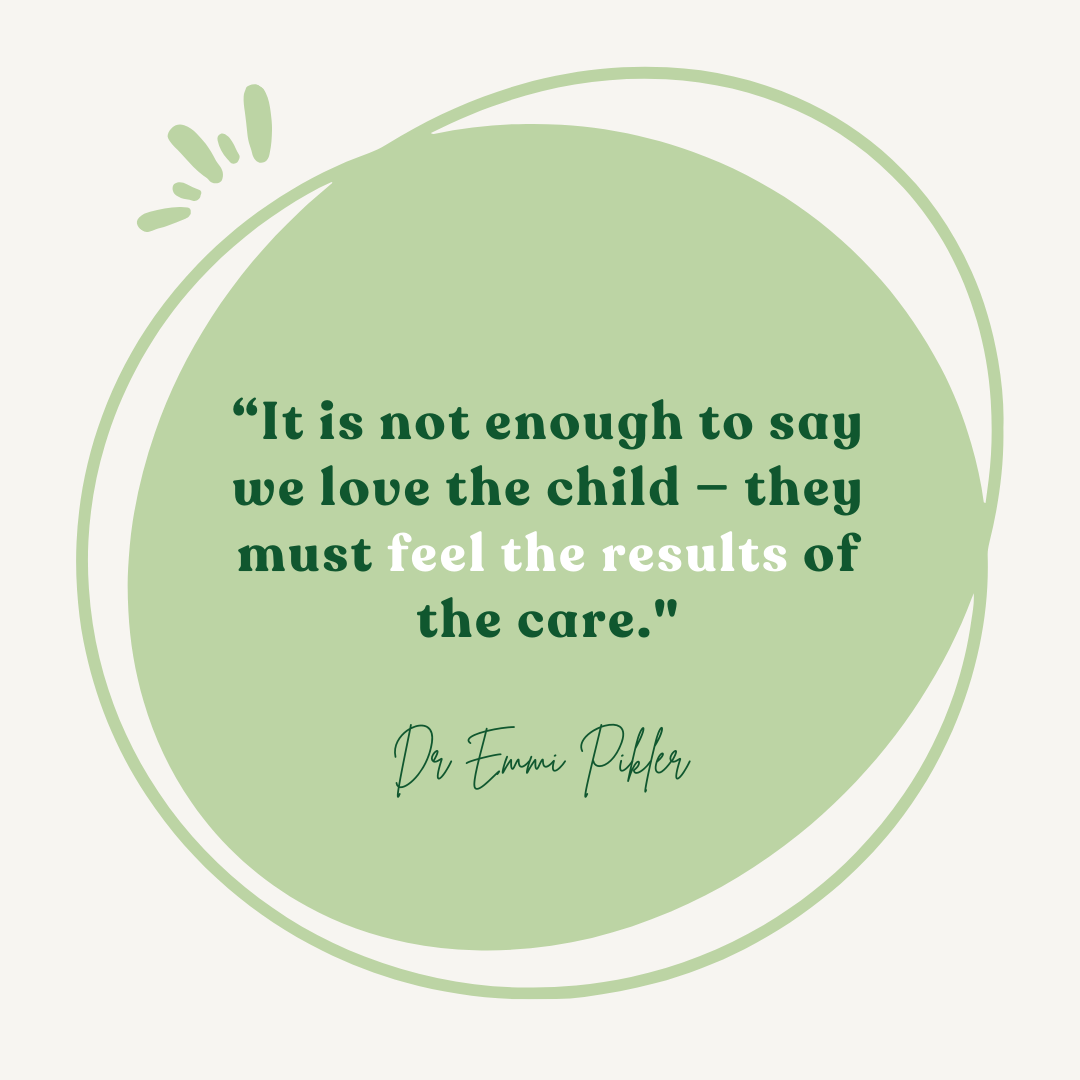
It is through rituals — fully prepared in the Head, Heart, and Hands — that children receive the gift of our full Presence. When we are truly present, children feel the care that 'holds' the ritual. They don't merely observe it; they experience it in every cell of their body. As Emmi Pikler so beautifully said…
Rituals as Emotional Security
When we infuse rituals into our days, weeks, and seasons, we are giving children something they can anticipate and participate in. Whether it is a ritual around lunchtime, finishing the week, farewelling a friend, or celebrating a harvest — there is consistency, connection, and care running right through. This is the 'known' for the child.
The feeling a ritual creates in a child can be hard to put into words, but it can absolutely be seen and felt in a ritual-rich environment. It is the quiet internal recognition: "Ah, that's right. I know this." That sense of, "This is what we do here" — which, importantly, also translates as, "This is how we are here." It feels safe. It grounds them.
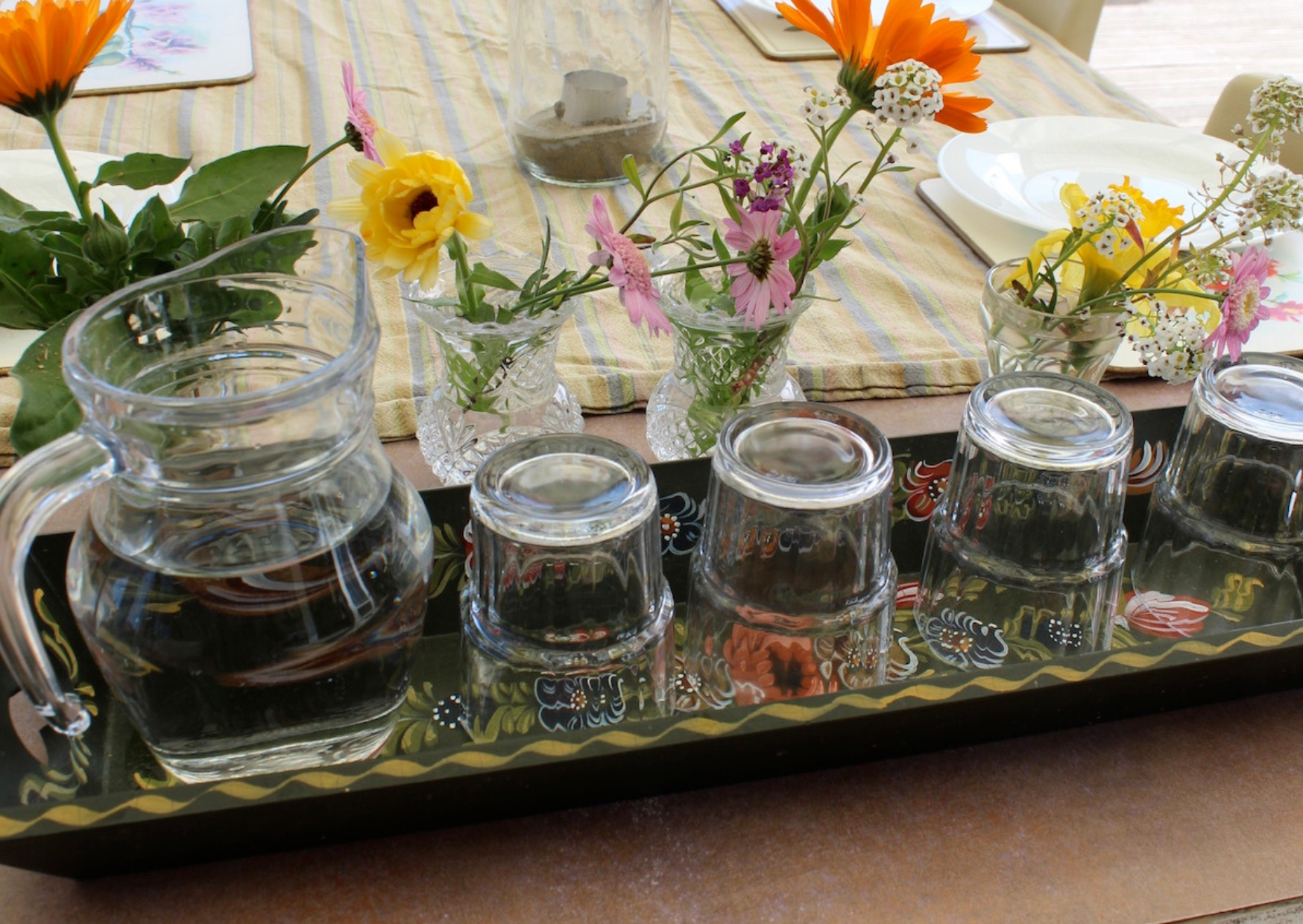
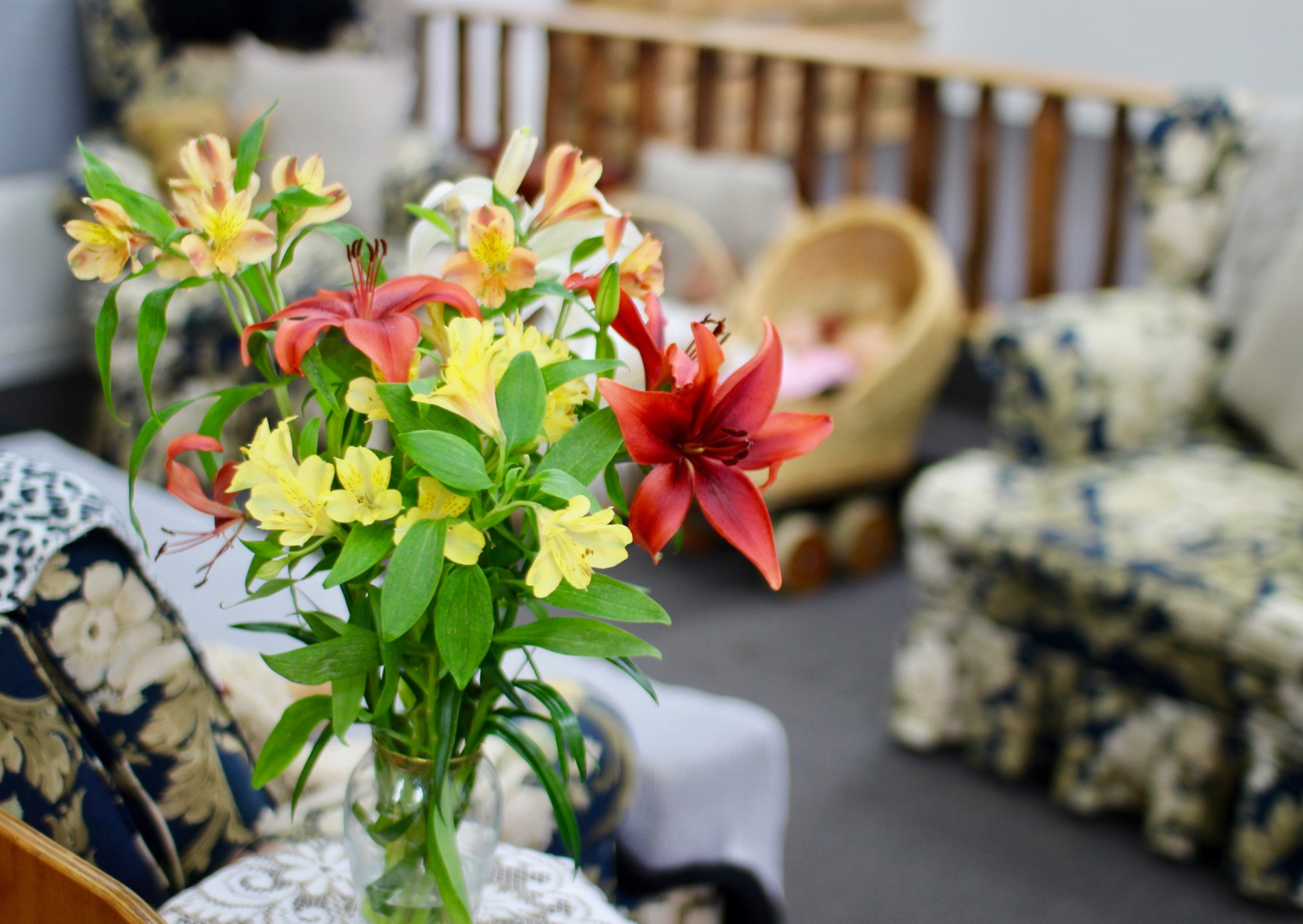
Yes, there are elements of physical beauty in our preparations — the carefully laid table, the candle lit with intention, the flowers arranged with care. But the true beauty runs deeper. It lives in what the child experiences: the warmth of being known, the comfort of the familiar, the sense of belonging. Security and relationship together form the most premium fuel a child can receive.
The Gateway to Play
Children enter 'play heaven' when they feel emotionally safe and secure. This is not a coincidence — it is a direct relationship. Once a child feels nurtured and cared for, comfortable in the known, they feel ready and safe to venture into the unknown. Rituals are the safety container from which that adventure launches.
We see this in children who know what is happening, and who play happily and wholeheartedly in the spaces between rituals — because these two things feed so naturally into one another. These children aren't constantly having to 'find their feet.' They aren't unsettled or on guard. They thrive in the sameness and security of familiar processes, and from that safe place, they spread their wings in play.
Rituals and rhythms give children the predictability to feel safe, and it is from this place that they launch fully into wonderfully rich, independent play. Emotional satisfaction comes first — and the play that follows is its natural expression.
Building Rituals in Your Space
Rituals can be woven into every part of the day and year — from welcoming children in the morning to celebrating the changing seasons. What matters most is that they are consistent, well-prepared, and held with genuine presence. When they are, children will know the process so deeply it is as if it is impressed on every cell of their body. They will anticipate each carefully orchestrated moment and experience absolute joy in that precious time.
Begin with the most important ritual of all: a beautiful way to welcome children and families. A quiet, warm greeting that smiles through natural beauty. It sets the tone for the entire day — and, more than that, it sets the tone for the relationship.
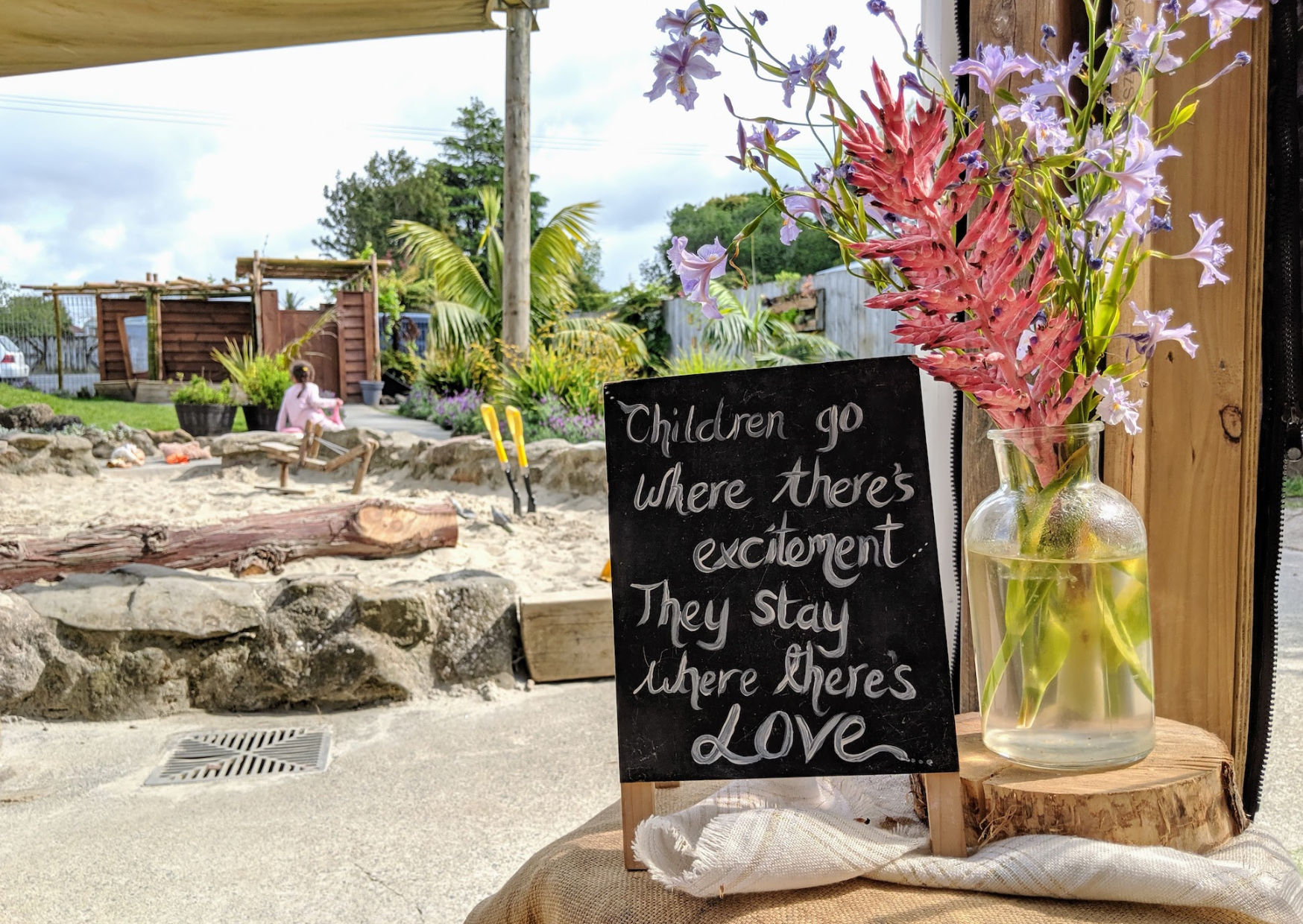
In our centre, for example, every child's birthday is honoured with a specially prepared tray: antique linen, a china teacup and saucer, a crystal heart bowl with a tea light, and a crystal vase with carefully picked flowers. As one educator reflected, "The joy we have preparing and creating the birthday tray is a gift for us too." That is the magic of a true ritual — it nourishes not only the child, but every person who tends it.
Moments You Can Feel
A ritual is the act of giving full attention to the ordinary, making it extraordinary. It comes from the heart, and when done with full attention, it feeds everyone present — body, mind, and soul. Rituals bring richness to all who partake. They can be magical and can create a deep sense of connectedness that knits communities together.
So the question to sit with is this: What are you doing to transform a routine into a ritual? Where in your day — and in the life of the children you care for — can you bring more of the 'known'? More beauty, more presence, more sacred ordinary moments?
Because when we put energy into the place, the space, and the pace — we have a far better chance of knitting our communities together, and of giving children the emotional security from which everything else grows.
Anja and Kimberley
Share your thoughts...