In every early learning setting, we experience moments where emotions run high. A toy is grabbed, a tower collapses, a bite happens before a child even knows why, or two friends find themselves tangled in frustration they don’t yet have the words to express. These moments can feel intense, the kind that stop us mid-step and ask us to bring our very best selves forward. But they are also moments rich with learning, relationship, and connection. They remind us that tamariki are not giving us a hard time, they are having a hard time.
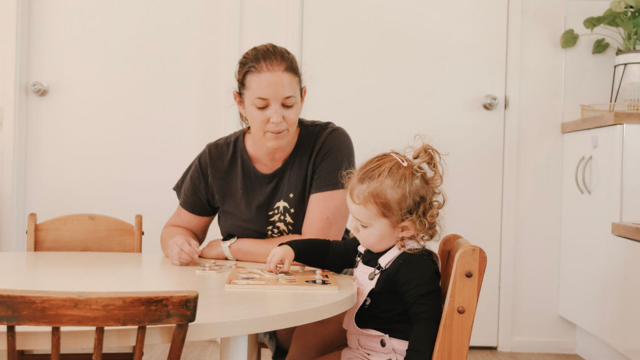
In Aotearoa, we hold tight to the belief that behaviour is communication. Tamariki express their needs, frustrations, and overwhelm through their bodies and actions long before they can express these through language. When a child bites, hits, pushes, or cries out, they are showing us that something within them is out of balance. Their wairua is unsettled. Their tinana might be tired, hungry, or overstimulated. Their hinengaro may be processing something big. They are not being “naughty” they are communicating. And our response in that moment becomes part of their story of belonging.
Te Whāriki reminds us that learning happens through relationships, through manaakitanga, through the weaving together of identity, emotions, language, and connectedness. The strands of Mana Atua and Mana Tangata speak directly to the heart of this work: ensuring children feel safe in their bodies, respected in their feelings, and supported in their developing sense of responsibility and social understanding. When we respond with gentleness and attunement, even in the face of big emotions, we uphold the mana of every child involved.
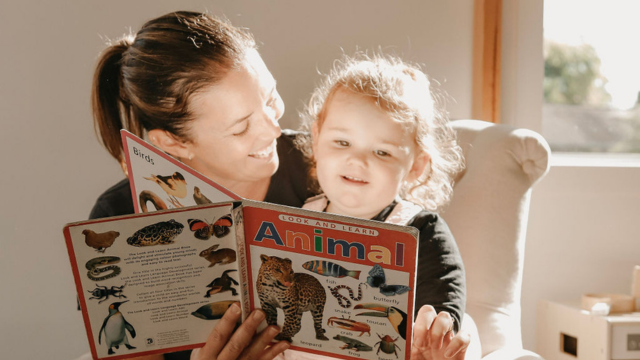
Calm guidance begins with us. A child whose emotions are overflowing does not need more intensity around them, they need someone who can stand steady, grounded, and present. He Māpuna te Tamaiti emphasises co-regulation as a foundation for self-regulation. Tamariki borrow our calm long before they can find their own. Our slowed breath, softened voice, and steady posture become an anchor for their nervous system. As Dan Siegel and Tina Bryson teach, safety is the first step in integrating emotions; children need to feel connected before they can learn.
When we enter a moment of conflict with aroha and intention, the entire energy shifts. Rather than rushing in with “Stop that!”, we move gently toward the children, lowering ourselves to their level. “Kei konei au, I’m here. I’ll keep everyone safe.” These words, delivered with warmth, restore a sense of trust. They signal that even in difficulty, this is still a place where their mana is intact.
Instead of focusing on what the child has done wrong, we tune into what they were trying to communicate. “You wanted the toy. You were frustrated.” By naming their feelings, we help them make sense of the storm within. From here, we can guide them to the skills they are still developing: asking for a turn, waiting patiently, saying “stop,” or using words instead of hands. Vygotsky’s sociocultural theory reminds us that these skills are learned through guided participation, through being held, taught, and supported, not shamed.
Repair is equally important. After the intensity settles, we gently bring children back together in a spirit of restoration. “That was a tricky moment, and you used my help. Shall we check on our friend?” This is not about forcing apologies, but about nurturing empathy, responsibility, and connection. Our Code, Our Standards encourages us to uphold whanaungatanga and manaakitanga - and these values shine brightest when we help children rebuild relationships gently and respectfully.
The environment around us plays a powerful role too. A calm, predictable rhythm can reduce emotional overwhelm. Duplicated resources, cosy nooks for retreat, visual supports for transitions, and outdoor play all support tamariki whose nervous systems are easily overloaded. Sometimes what looks like “behaviour” is simply a sign that the environment needs to soften.
Working in partnership with whānau deepens everything we do. When biting or conflict occurs, we approach families from a place of understanding - calm, factual, mana-enhancing. “This happened today. Here is how we kept everyone safe. Here is how we supported your child. Here is how we’ll continue guiding them.” These conversations build trust, and they honour the shared journey of raising emotionally strong, connected, and resilient tamariki.
And this is where the true beauty of our mahi lies. When we respond to conflict with aroha, thoughtfulness, and cultural grounding, we teach tamariki something profound: that big feelings are part of being human, that relationships can be repaired, and that they are always held with care - even when things go wrong. We show them that their emotions are not something to fear, but something to understand. We teach them that connection is still available, even in the hardest moments.
This is the heart of early childhood education in Aotearoa: not managing behaviour, but nurturing identity. Not stopping conflict, but guiding tamariki through it. Not silencing emotion, but honouring it. When kaiako meet big feelings with gentleness and presence, they don’t just resolve conflict, they grow humans who know how to express themselves, how to care for others, and how to stand strong in their own mana.
Because every moment of conflict is really a moment of connection waiting to happen. And in the hands of skilled, loving kaiako, those moments become the foundations of lifelong wellbeing.
Jessica Thomson
Share your thoughts...