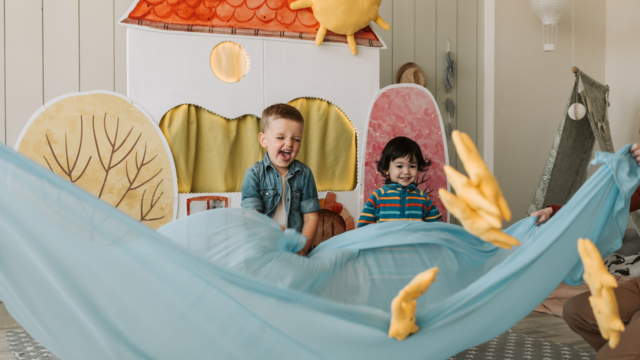
You know the moment. A block tower comes crashing down, someone’s in tears, and before we’ve even crouched down, the words are out of our mouth: “Say sorry!”
I’ve said it more times than I can count. As a teacher, as a centre owner, as a parent. It feels like the right thing to do.
So should children be made to say sorry?
Let’s be honest about what that little word is really doing, and what we could be doing instead.
Why we ask for sorry (and why it feels so automatic)
Most of us were raised on “say sorry.” It was how adults showed us that hurting someone wasn’t okay, and it’s how we learned that manners matter.
There’s also a lot happening in that moment for us as adults. A child is upset. A parent might be watching. We want to fix it, fast, and show everyone the situation is handled.
“Say sorry” is quick. It’s familiar. And it gives us a tidy ending to a messy moment.
But here’s the thing. Tidy for us isn’t always meaningful for the children.
What a forced sorry teaches, and what it doesn’t
When we insist on a sorry, children often learn a script, not a feeling. They learn that “sorry” is the password that makes the grown-up go away. Some learn to mumble it at the floor. Others learn to say it brightly and carry on, with no real connection to the child who’s still crying.
And the child who was hurt? They often get a sorry that doesn’t feel like one. Their hurt gets rushed past so everyone can move on.
A forced sorry can teach:
- That the word matters more than the person
- That saying sorry ends the conversation
- That big feelings should be wrapped up quickly
What it doesn’t teach is the thing we actually care about. Noticing. Caring. Doing something to make it better.
That doesn’t mean “sorry” is bad. It means it’s the end of the learning, not the start of it.
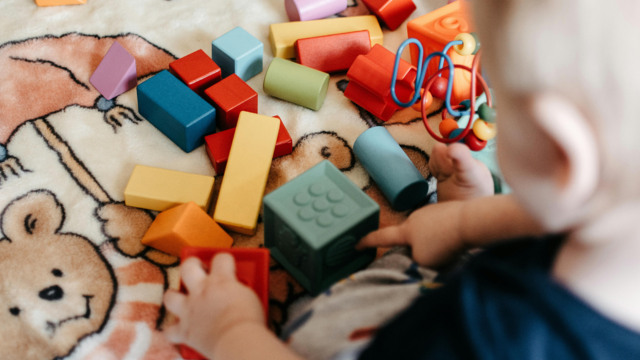
Repair over words
So what do we do instead? We shift from saying to doing. Repair is about helping a child take an action that makes things a little better for someone else. It’s concrete, and it’s something young children can actually understand.
Check on the hurt child first
Go to the child who’s hurt before you go to the child who did the hurting. This models exactly what we want children to learn: when someone’s hurt, we turn towards them.
Bring the other child with you if they’re calm enough. “Look at Mia’s face. She’s really sad. Let’s see if she’s okay.”
Ask “How can we help?”
This little question does a lot of heavy lifting. It moves the focus from blame to care, and it invites the child to think about the other person.
“Mia’s crying. What could we do to help her feel better?”
Young children often come up with lovely ideas. A cuddle toy. A cold cloth. Sitting with them. Asking if they’re okay. And if they’re stuck, offer a couple of choices.
Fix what was broken
If something was knocked down, wrecked or snatched, repair can be practical. Rebuilding the tower together. Giving the toy back. Helping tidy the spilled puzzle.
This is where children learn that our actions have an effect on others, and that we can do something about it.
The goal isn’t the word. It’s a child who notices and cares when someone is hurt.
Calm first: children can’t repair while they’re still dysregulated
Asking a child to show empathy while they’re still flooded with big feelings is like asking someone to read a map in a storm. Their thinking brain simply isn’t online yet.
If a child is still angry, scared or embarrassed, they need us to help them settle before they can turn towards someone else. That might mean staying close, lowering your voice, naming what you see (“You were really cross when she took your spade”), and giving them time.
Repair can come five minutes later. It can come after morning tea. It still counts.
This is co-regulation in action, and it’s the foundation for everything else. If you’d like to go deeper on this, have a read of Before self-regulation comes co-regulation.
Talking with families who expect a sorry
Some families will expect to hear the word, especially if their child was the one who got hurt. That’s completely understandable. They want to know it’s been taken seriously.
A few things can help:
- Share your why. “We’re teaching children to notice when someone’s hurt and to help make it better. That’s what we’re really aiming for.”
- Tell them what happened. “After things settled, Leo helped Mia rebuild her tower and brought her a tissue.” Families love hearing about the repair.
- Don’t ban the word. If a child wants to say sorry, wonderful. We just don’t force it.
- Keep it consistent. When the whole team uses the same language, families get a clear and reassuring message.
Most families come on board quickly once they see that this approach asks more of children, not less.
A child who cares
When we let go of the quick sorry, we make room for something much richer. Children who check on a friend without being asked. Children who fetch the ice pack. Children who learn that when they get it wrong, they can make it right.
That’s the stuff that lasts well beyond the early years.
If this has got you thinking, register for our webinar Unlocking Emotional Regulation practical strategies to support children through big feelings. You’ll come away with tools you can use the very next day.
You’ve got this.
With warmth,
Angela

Angela Bush
Share your thoughts...