Embedding Waste Minimisation in ECE: It's So Much More Than Recycling
For a lot of services, sustainability starts and ends with a recycling bin by the art table. Someone sorts the paper from the plastic, everyone feels a bit better about it, and that's the sustainability box ticked for the week.
Let's be honest, that's not nothing. But it's also nowhere near enough for what's actually coming.
The Waste Crisis Our Youngest Generation Is Inheriting
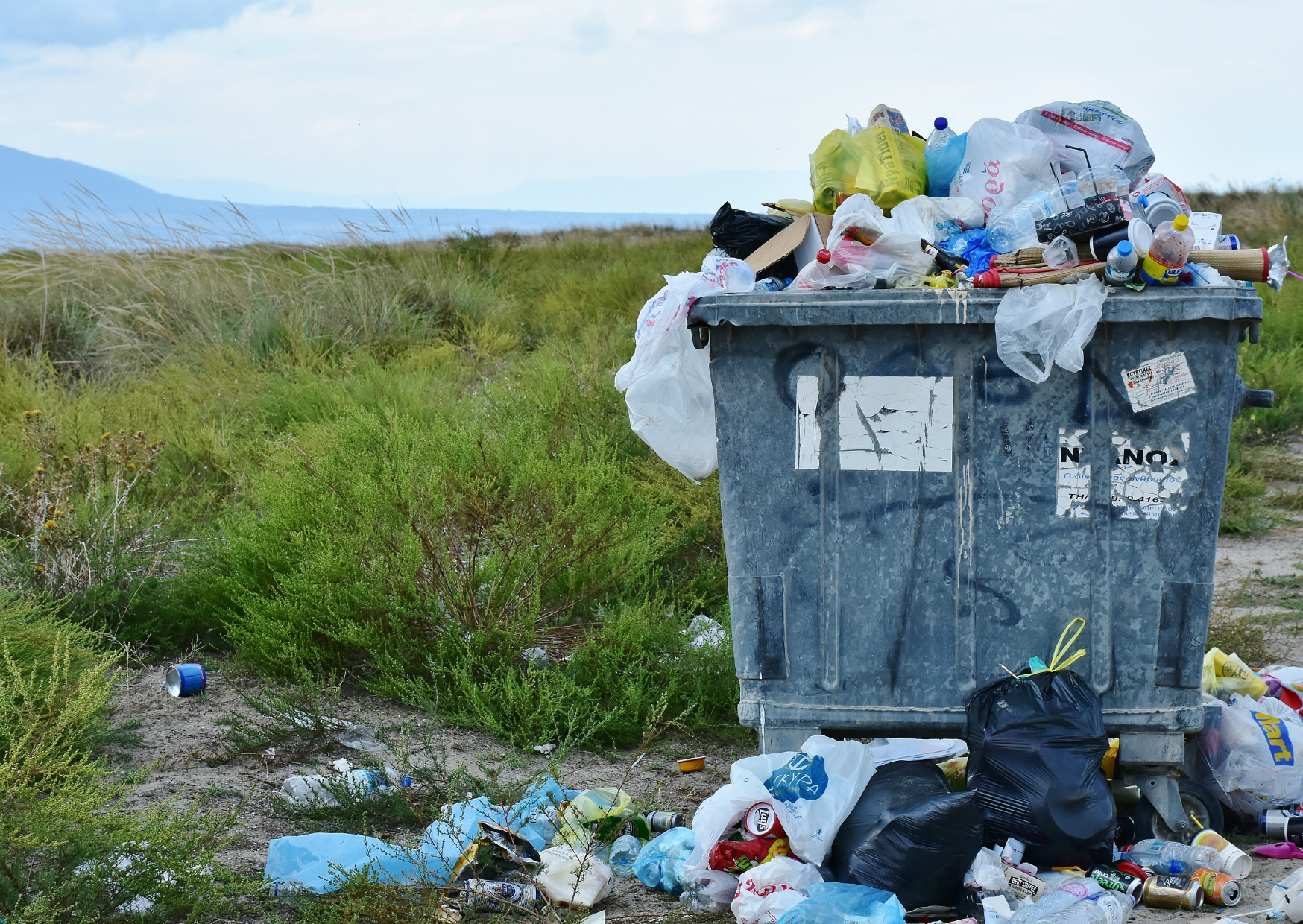
The scale of the problem is bigger than most of us realise day to day. According to the World Bank's 2022 “What a Waste 3.0 Report”, the world is already generating 2.56 billion tonnes of municipal solid waste every year, and without real intervention, that figure is projected to spike to 3.86 billion tonnes by 2050.
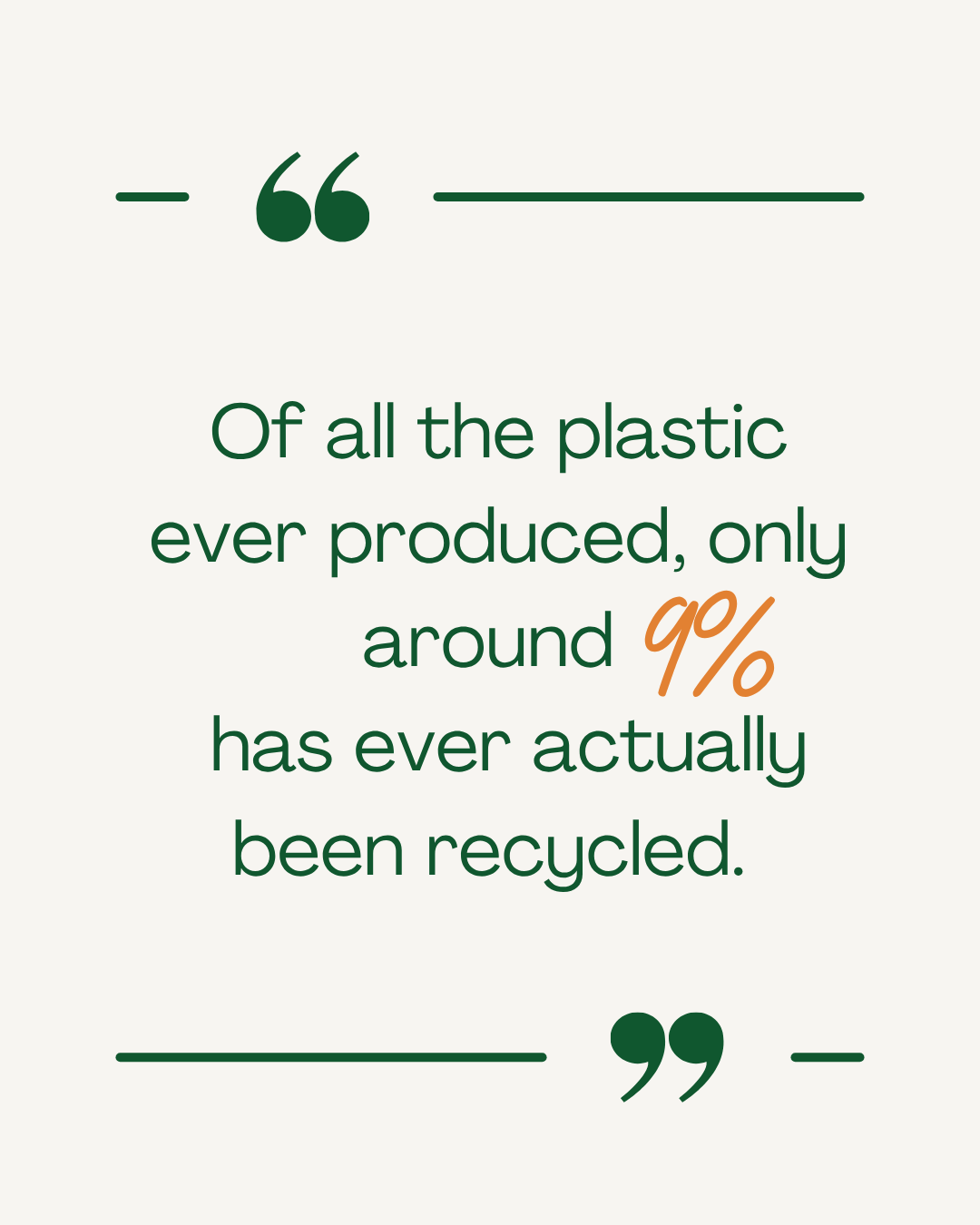
The rest has been burned, buried, or left to break down slowly into the land and sea.
Here's the part that matters most for us. The child in your care right now, learning to sort blocks by colour or stack the recycling with two hands, is going to spend their whole life inside this problem. Not as a bystander reading about it in a textbook one day, but as the generation who has to manage what's already been left behind, and hopefully do a better job of it than we have.
That's not a comfortable thought. It's also exactly why this work matters so much, and why it belongs in early childhood education, not just in high school science units decades from now.
Why Recycling Alone Isn't Enough
Recycling sits right at the bottom of the waste hierarchy for a reason. It's what you do with something once it's already been made, used, and thrown away. Real waste minimisation happens earlier than that: in what we choose to buy in the first place, what we reuse instead of replacing, and what we simply learn to do without.
A centre that recycles beautifully but still buys single use everything, replaces resources at the first sign of wear, and treats "we're out" as a reason to order more, hasn't actually embedded much at all. It's swapped one bin for another and called it done.
Embedding waste minimisation means it shows up in the culture of the place, not just in one corner of it.
What Embedding Waste Minimisation Actually Looks Like
This isn't about adding a big new programme on top of an already full day. Most of it is about noticing what you're already doing, and doing a bit less of the wasteful version of it.
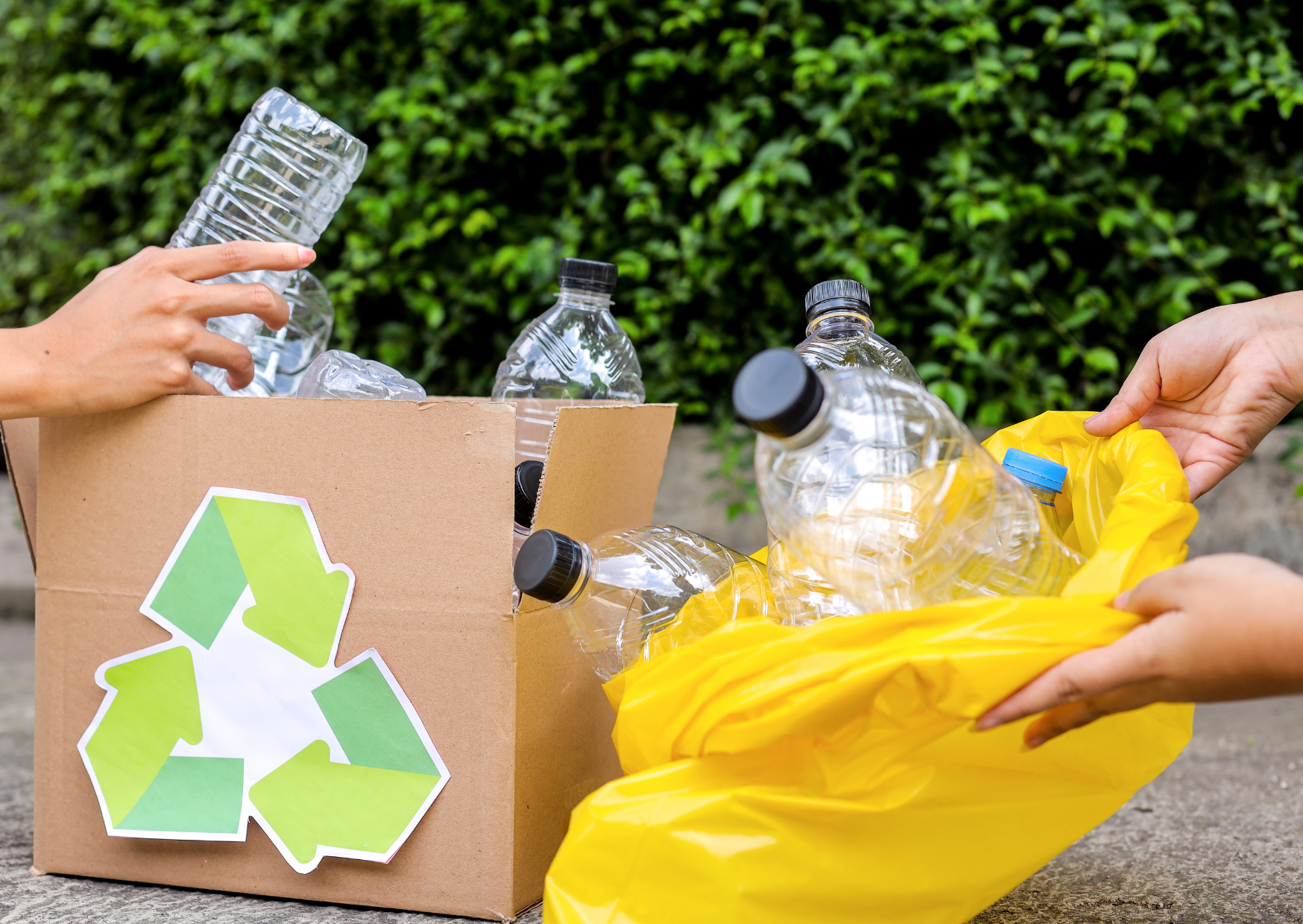
- Choose reuse before replace. Loose parts, offcuts, packaging, and natural materials can do more pedagogical work than a brand new resource, and they cost the planet a lot less.
- Reduce single use at the source. Cloth over paper towel, real cups over disposable ones, mended resources over binned ones.
- Make food waste visible. A simple scrap bucket or compost system turns an invisible, daily habit into something children can see, understand, and take part in.
- Teach the why, not just the what. "We reuse this because new things take resources to make" lands differently than "put that in the recycling." Children are capable of understanding cause and effect long before they can define sustainability.
- Bring families into it. What starts at the centre travels home fast. A child who's proud of the worm farm they helped build will talk about it at the dinner table.
None of that requires a grant, a consultant, or a new policy document. It requires deciding that this is part of how you already teach, not an extra thing bolted onto the side of it.
“The goal isn't a tidier recycling bin. It's raising a generation who see waste as a choice, not just a fact of life.”
The Responsibility, and the Opportunity, Is Ours
It's easy to feel like the waste crisis is too big for a room full of two and three year olds to make a dent in. In one sense, that's true. No single centre is going to solve global waste on its own.
But early childhood is where lifelong habits and values actually take root, long before children can read a World Bank report or understand a headline about ocean plastic. What they absorb now, about care, about reuse, about not wasting what they have, is what they'll carry into every decision they make as adults living in the world we're currently building for them.
That's not a guilt trip. It's genuinely good news. We don't have to fix everything ourselves. We just have to raise children who won't need convincing to keep going where we left off.
That's a responsibility worth taking seriously, and honestly, one of the more hopeful ones we get to hold in this work.
If you're looking for practical ways to bring sustainable and environmental practice into your everyday programme, our resources and courses on this exact topic are ready whenever you are, as part of your Members Club access.
Angela Bush
Share your thoughts...