
You've asked it before. Maybe out loud, in a staff meeting. Maybe just in your own head, watching a child melt down for the third time before morning tea. What's wrong with this child?
It's not a cruel question. It usually comes from a good place. You're trying to understand, trying to help. But it's the wrong question, because it starts from the assumption that the behaviour in front of you is the whole story.
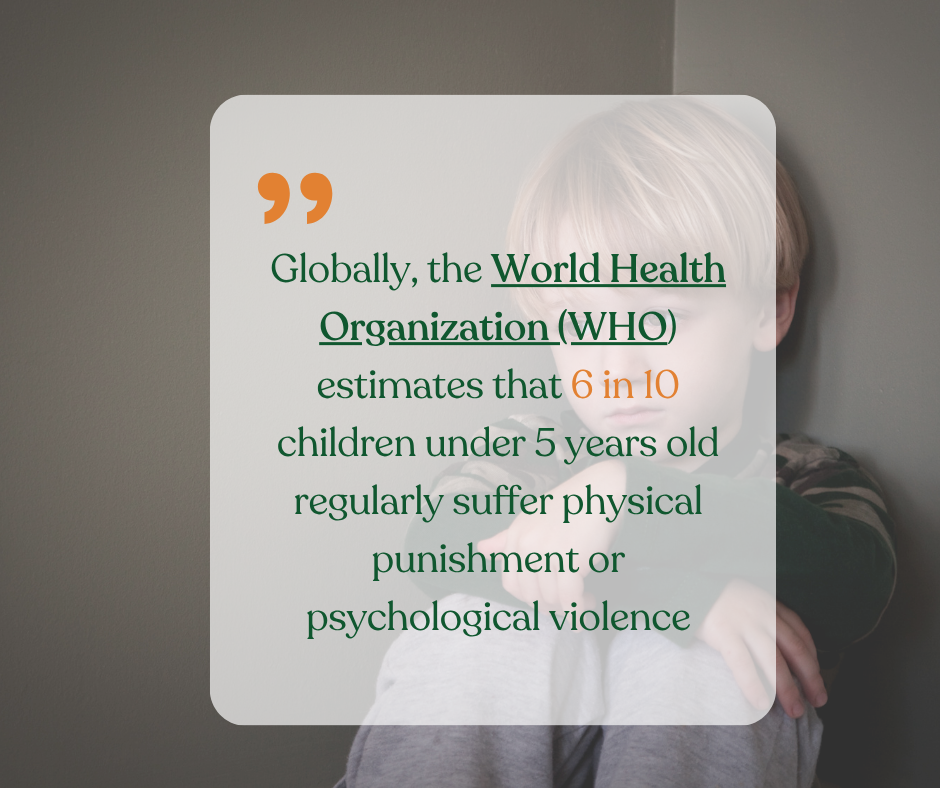
Behaviour is communication, not diagnosis
A child who bites, bolts, freezes, or refuses to engage isn't handing you a character flaw. They're handing you information about their nervous system, their history, and what's happening in their body in that moment. Trauma, whether it comes from instability at home, loss, or ongoing stress, doesn't stay at the front door. It walks in with the child and shapes how they learn, connect, and regulate all day long.
The shift that changes everything
Trauma-informed practice asks a different question: What has this child been through? It's a small change in wording and a much bigger change in stance. Instead of managing behaviour, you start reading it. Instead of consequences, you start looking for the unmet need underneath.
This isn't about excusing behaviour or lowering expectations. It's about understanding what's actually driving it, so what you do next actually works for the child, and for you.

Why this matters right now
The earliest years are the ones that shape the nervous system for life. Every time an educator responds to distress with steadiness instead of frustration, they're not just managing a moment, they're helping wire a child's sense of what the world is like, and whether it's safe.
You already do this work every day, often without a name for it.
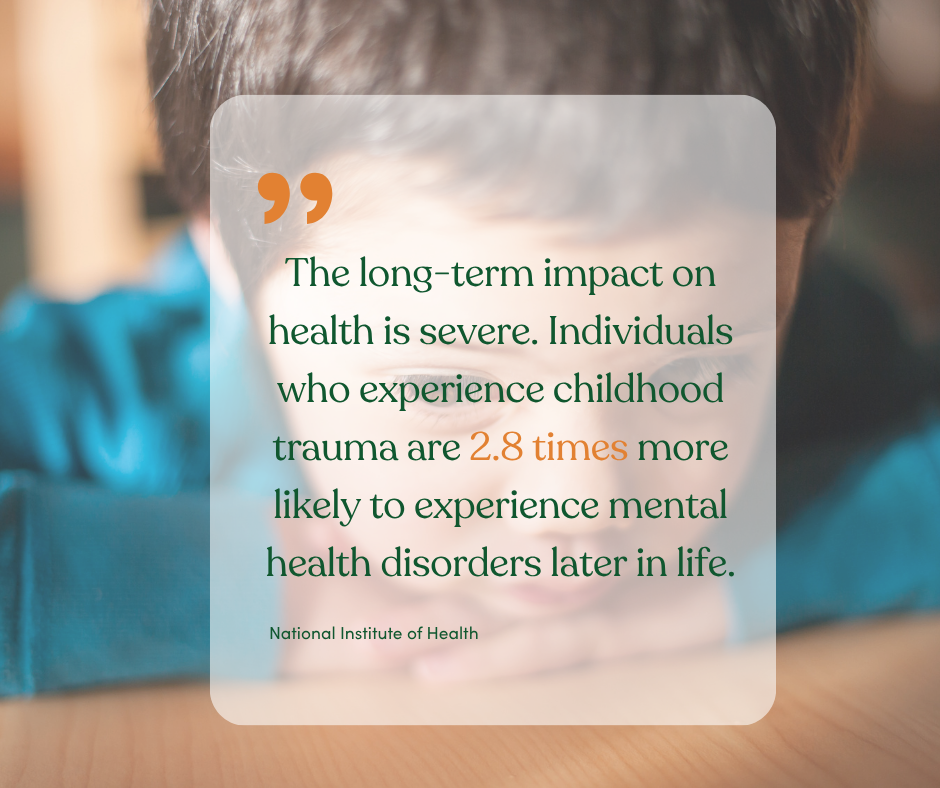
What trauma can actually look like
Trauma in early childhood rarely looks like what we expect. It's not always obvious distress. Sometimes it looks like:
- A child who seems to "check out" during transitions or loud moments
- Play that repeats the same theme over and over, almost like it's stuck
- A child who avoids closeness even when they seem to crave it
- Big reactions to what look like small triggers
None of these mean a child is naughty, difficult, or "attention-seeking." They mean something has shaped how that child's body and brain expect the world to behave — and your response, in that moment, is part of rewriting that expectation.
The shift: from "what's wrong" to "what happened"
This is the heart of trauma-informed practice. Instead of asking what's wrong with a child, you start asking what they've been through and what they need from you right now, not what they deserve as a consequence.
Four things you can try this week
- Name what you see without judgement "That was a big feeling" instead of "Why are you doing this again?"
- Build in predictability. Even small routines — a consistent warning before transitions, a visual schedule — can be genuinely regulating for a child whose world hasn't felt predictable.
- Notice the pattern before the meltdown, not just reacting to it
- Give yourself permission to not have it perfectly figured out in the moment

Angela Bush
Share your thoughts...