Then a notification pings on the centre app.
"Hi! Just a reminder, our sleep consultant says Archie shouldn't sleep longer than 45 minutes during the day. Can you wake him at 11:30? Thank you SO much, you're all amazing!! 🙏🙏"
You stare at the message. You stare at Archie. You stare back at the message. You are, in fact, not feeling amazing.
If that scenario lives rent-free in your head, you're not alone. Sleep is one of the most emotionally charged topics in early childhood education and it sits right at the intersection of everything complicated: developmental science, safe sleep standards, family culture, parental anxiety, and the very real limits of what's possible in a group care environment.
The hard truth is that most of us were trained to know the research. Very few of us were trained to have the conversation.

What the research actually tells us
Let's start with the evidence, because it matters and because having it clearly in your head makes those conversations a lot less wobbly.
Current research on infant and toddler sleep is clear on a few key things. Babies and young children are biologically wired for sleep, and their needs are developmental, not optional.
- Young infants (0–6 months) typically need 14–17 hours across a 24-hour period.
- Older infants (6–12 months) need 12–16 hours.
- Toddlers (1–2 years) need 11–14 hours.
These aren't suggestions from a parenting blog They're recommendations grounded in sleep science and endorsed by paediatric health bodies across Australia and internationally. We also know that sleep pressure (the biological drive to sleep) builds throughout the day, and that cutting sleep short doesn't automatically produce better night sleep. In fact, for many young children, it produces overtired, dysregulated chaos (A fact many of us have witnessed firsthand at 3pm pickup on a Tuesday).
Safe sleep environments add another layer of complexity
Cots, firm surfaces, face up, these aren't bureaucratic box-ticking. They're standards built on decades of SIDS and infant safety research, and they can't be set aside just because a family's sleep consultant recommended something different at home.
Here's the thing about sleep consultants: many of them are genuinely knowledgeable and well-meaning. Some of the advice they give makes excellent sense for a home environment: one-to-one, with a caregiver who knows a child's patterns intimately. But a group care setting is a fundamentally different world. You're not managing one Archie. You're managing Archie, and Billie, and Koa, and four other children whose sleep needs don't align on a neat schedule. The advice doesn't always translate, and that's no one's fault, it's just the reality of the environment.
Caught in the middle: compliance, care, and the families in front of you
Here's the tension nobody really prepares you for. As early childhood educators in both Australia and New Zealand, we work within regulatory frameworks that set clear requirements around sleep and rest. Safe sleep standards, supervision obligations, physical environments, these aren't optional extras. They're part of what it means to be a licensed, regulated service, and they exist for good reason.
But the families walking through your door every morning aren't thinking about compliance. They're thinking about their baby. They're exhausted. They've spent months trying to figure out sleep, reading books, hiring consultants, scrolling forums at 2am and they've landed on something that works at home. They trust you. They just want you to keep doing it.
That gap between what we're obligated to uphold and what a family is hoping for is where the real work of early childhood education lives. And it's uncomfortable, because both things are true at the same time: the regulations matter, and so does this parent's anxiety. The safe sleep standards aren't negotiable, and this family deserves to feel heard rather than dismissed.
The good news is that "we have regulatory requirements to meet" and "I genuinely understand where you're coming from" are not opposing statements. You can hold both. In fact, the most effective sleep conversations usually start with the empathy and explain the constraints second, because a parent who feels understood is far more likely to engage with a boundary than one who feels lectured at.
It also helps to be honest about what the regulatory piece actually means for them: these requirements exist to protect children. Yours included. That's not a bureaucratic deflection. It's the truth, and most families receive it well when it's said with warmth rather than defensiveness.

The four conversations that keep ECE educators up at night
Ironically.
1. "Please wake them after 45 minutes."
The most common one. Usually driven by a sleep training plan or consultant advice about sleep windows. The intention is reasonable. Families are trying to consolidate night sleep or build a predictable routine. The challenge is that waking a sleeping child, particularly one who is mid-cycle, can result in a very unhappy child for the rest of the day, and has real implications for your ability to safely supervise the rest of the room. It's also worth knowing that the research doesn't reliably support the idea that shorter day sleeps lead to better night sleep in young children, so there's evidence on your side here, not just policy.
2. "We don't want them to sleep during the day at all."
Sometimes this comes from a toddler who genuinely is transitioning away from day sleep. Sometimes it comes from a family whose child has been kept awake for weeks by a sleep plan, and they'd like you to continue that work. These are very different situations, and they require very different responses.
3. "We co-sleep at home — they can't settle without me."
This one is less a request and more a context clue. Understanding a child's home sleep environment is genuinely useful information. But it can also come with an implied expectation: can you replicate that at care? The answer, in most cases, is no not safely, not in a group setting, and not in a way that serves the child's longer-term ability to settle independently.
4. "Can you rock/hold them to sleep?"
For babies, sometimes yes, with limits. For older infants and toddlers in a room of eight children, the honest answer is usually: not consistently, not safely, and not without creating a settling experience the child will only be able to access through you. Which creates its own challenges.
None of these are bad parents asking unreasonable things. They're tired families doing their best with the information they have. But they're also scenarios where you, the professional, need to be able to hold your ground with warmth and without apology.
The part nobody teaches you: having the actual conversation
Here's where most training falls short. You can know every research finding in the field and still find yourself nodding along to a parent's request when you know, deeply, that you cannot or should not honour it.
Why? Because these conversations feel personal. Sleep is intimate. It touches on how a family functions at home, how much rest parents are getting, how anxious they are, and underneath all of it, whether they feel they can trust you with the most vulnerable version of their child.
Disagreeing with a parent about sleep isn't like disagreeing about which craft activity to do on Tuesday. It requires a specific kind of skill: the ability to be clear about what's possible while being genuinely non-judgmental about what the family is trying to achieve.

Some principles that help:
- Start from shared goals, not opposing positions. You and the family both want this child to thrive. You both want them to sleep well. You're approaching it from different angles, with different constraints. Lead with that common ground before you explain what you can and can't do.
- Be specific about why a request is difficult in your setting not just that it is. "In our nursery room, I have four babies settling at different times. If I'm holding Archie for 40 minutes, I can't safely supervise the rest of the room" is a very different conversation from "that's not something we can do." One builds understanding. The other builds resentment.
- Know when to hold firm, and do it without flinching. Safe sleep standards are not negotiable. Not for cultural reasons, not because a sleep consultant said so, not because a family did it differently at their last centre. When you need to hold a line, hold it with kindness, but hold it. The regulations have your back.
- Document what you've agreed to. Verbal agreements about sleep shift over time, especially when staff change or parents are tired (which is always). Write it down. "We have agreed that we will encourage [child] to rest in the cot during sleep time. We are not able to guarantee they will sleep, and we will not wake them once asleep. We will monitor and update families on patterns." Signed. Dated. Done. This also matters from a compliance perspective. Documented conversations are evidence of your professional practice.
Why this matters beyond Archie
The reason sleep conversations feel so fraught is that they're actually about something bigger: the professional identity of early childhood educators. ECE professionals carry a deep body of knowledge about child development. They observe children with a level of continuity that parents, in their exhausted love, often can't. They are, genuinely, experts not just carers. And in both Australia and New Zealand, they are regulated professionals with real obligations that exist not to make their lives harder, but to protect the children in their care.
Getting comfortable with sleep conversations is really about getting comfortable holding two things at once: genuine empathy for families, and confidence in your professional knowledge and responsibilities. With saying, clearly and kindly: I hear you, and I want to work with you, and here's what I know, and here's what I'm required to uphold.
That's not a contradiction. That's the job.
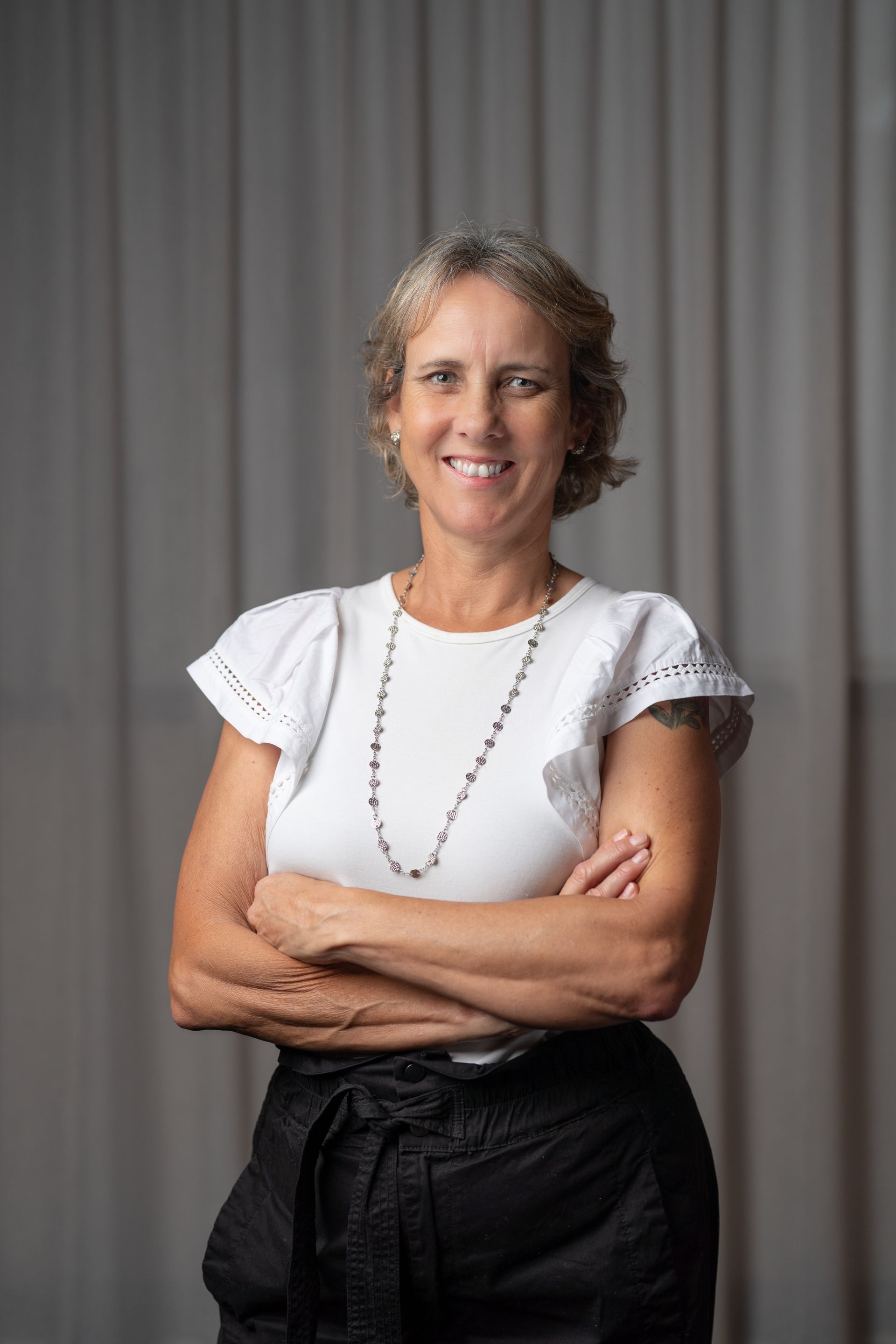
Angela Bush
Share your thoughts...