There is something truly special about the way children play when no one tells them how, when, or what to create. You see it in the soft rustle of dress-ups being chosen, the gentle rocking of a baby doll wrapped in a blanket, the determined look of a four-year-old taking your food order in their pretend café. Dramatic play holds a magic that lives only in childhood and yet, it teaches lessons that last a lifetime.
When children pretend, they aren’t escaping reality. They’re exploring it. They’re processing everything they see and feel. They’re practising being human.
A child who has watched their whānau cook might set up a kitchen and recreate the rhythms of home. A child who has experienced a hospital visit might turn the play space into a clinic and become the doctor in charge. A child who saw firefighters in their community now becomes the hero who saves the day. Dramatic play lets children step into roles that help them make sense of life and in doing so, they reveal what they know, what they’re curious about, and what they’re still trying to understand.
It’s easy to see dramatic play as something light, fun, or “cute,” but underneath the surface is deep emotional, cognitive, cultural, and social growth. Children are learning how to communicate, problem-solve, negotiate, share power, express feelings, and think creatively - all while completely absorbed in their own story.
What makes dramatic play so powerful is that it belongs entirely to the children. They choose the roles. They create the storyline. They decide how long it lasts, how complicated it gets, and how it ends. There’s no pressure, no test, no expectation. Just possibility.
And that freedom matters.
It’s in that freedom that children grow.
Dramatic play is also one of the richest places where social learning blossoms. Listen closely to a group of children pretending to run a café or a shop and you’ll hear the foundations of real teamwork unfolding.
“You take the money.”
“Can you help the baby?”
“No, it’s my turn to fly the plane.”
“Let’s make a rule… dragons stay outside.”
These conversations are more than just play, they are children navigating fairness, power, empathy, compromise, leadership, and communication. They’re learning that other people have ideas too. That feelings matter. That stories change when someone new joins. That friends sometimes disagree and that’s okay.
Emotionally, dramatic play is a safe harbour. Children rehearse their feelings through characters.
A child feeling powerless might become the superhero.
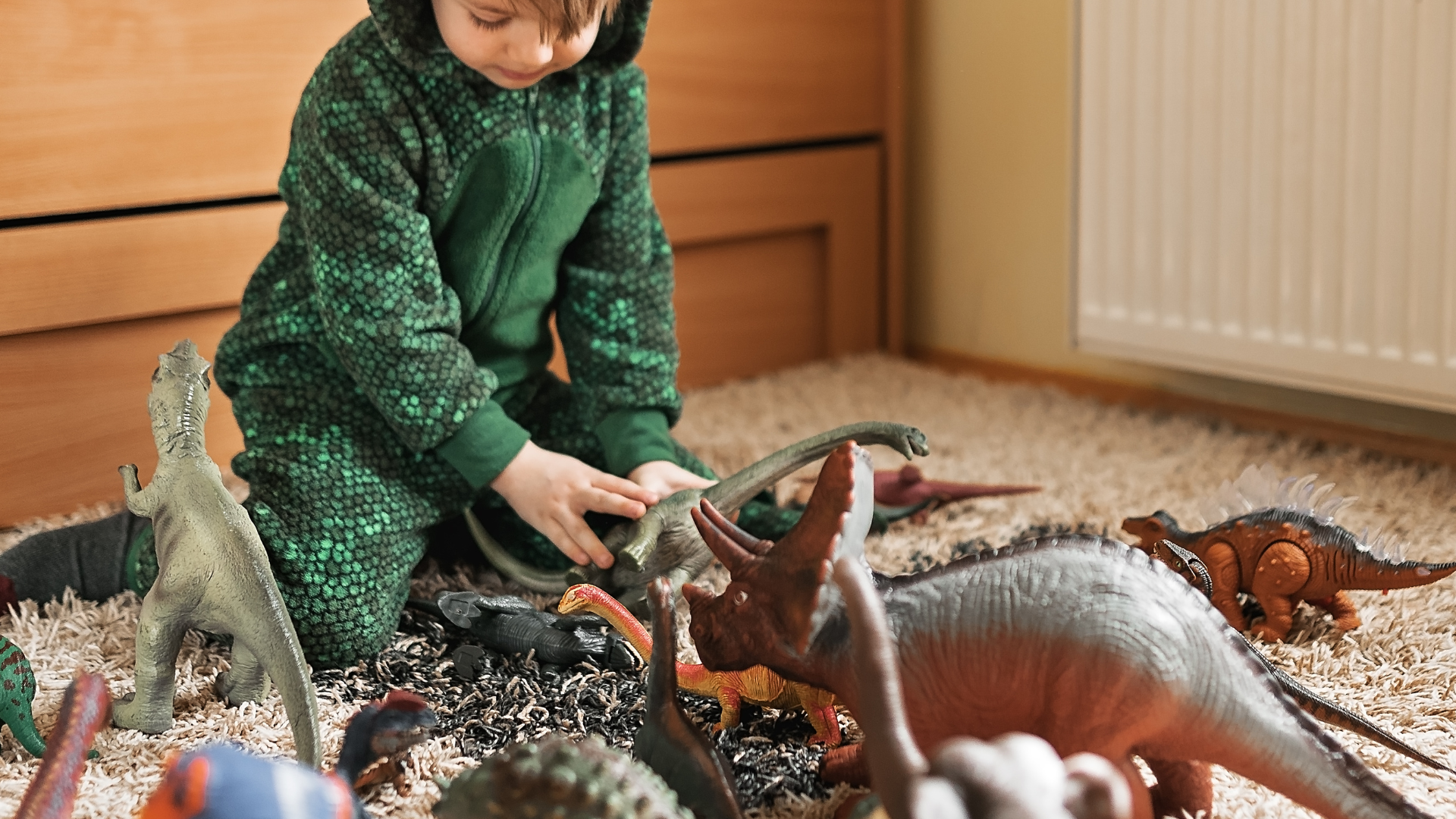
A child processing fear might turn into the dinosaur, the lion, or the dragon.
A child needing comfort may cuddle and care for a doll much like they wish to be cared for themselves.
Children externalise big emotions in small, safe ways.
“The baby is sad.”
“The monster is angry.”
“The firefighter is scared but still helping.”
They place their feelings into characters so they can understand them without being overwhelmed by them and for the child who struggles to use words, dramatic play becomes their voice. They show us who they are long before they can tell us.
None of this magic happens alone though; the environment matters. Children need spaces that whisper, “Come play… stay here… your story belongs here.” Warm lighting, soft fabrics, familiar objects, and open-ended materials create an atmosphere where play naturally deepens. When the home corner mirrors children’s real cultures, the pots they use at home, the foods they recognise, the clothing familiar to their whānau, the languages they hear - dramatic play becomes a place of belonging.
Children feel seen when the environment reflects them. They feel valued when their world is welcomed and they feel confident when their home lives are honoured.
Kaiako play a quiet but powerful role. The most meaningful dramatic play happens not when adults direct the play, but when they protect it. When children are given time, uninterrupted, un-rushed, unrestricted time - their stories unfold in layers that reveal deeper thinking. This is where educators become gentle guides rather than leaders.
A simple question can stretch thinking without taking over the story:
“What happens next?”
“What does he need?”
“Where are you travelling today?”
Or sometimes the magic lies in stepping back entirely and letting the story breathe.
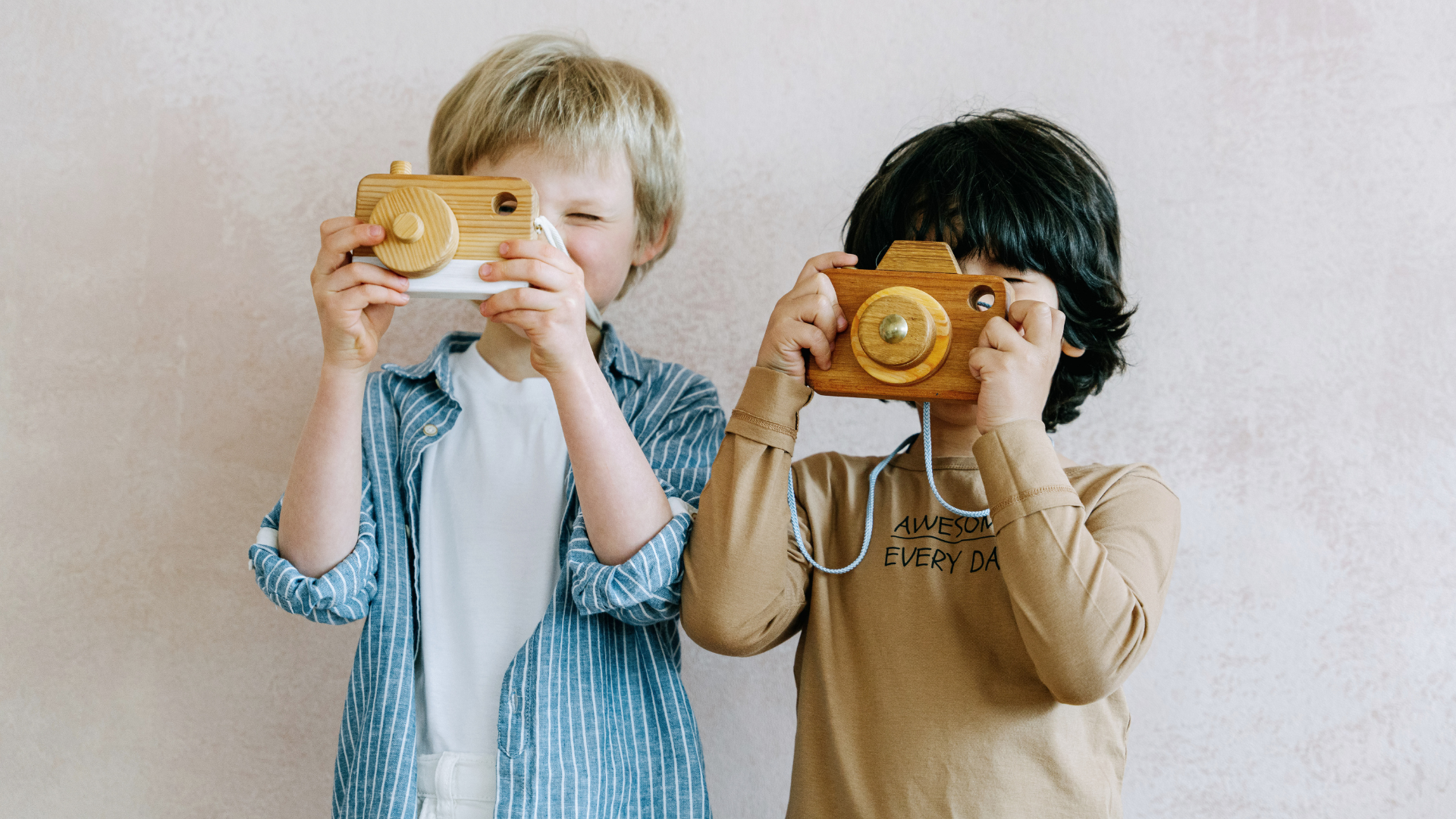
A basket of scarves can become anything. A wooden spoon can be a wand, a microphone, a fishing rod. A cardboard box can be a rocket ship, a bed, a cave, a shop counter, or a hiding place.
Loose parts open the mind.
Children take the lead.
The story is theirs.
And while it may look like “just play,” the learning underneath is profound. Children practise literacy when they create dialogue, symbols, signs, and storylines. They explore numeracy when they count money, organise orders, cook pretend meals, or sort items in their shop. They strengthen executive functioning by planning roles, solving problems, and adjusting when the story changes. They develop social-emotional skills by communicating, collaborating, and caring for one another within their imaginative world.
All while having fun.
All while feeling powerful.
All while being children.
This is why dramatic play must be protected, honoured, and celebrated. Too often, it’s interrupted by routines or tidied away too soon - but dramatic play should be one of the last things we rush. Children need time to stay in character, expand their ideas, and return to the same play the next day. When we protect this continuity, we support deeper thinking and stronger emotional understanding.
Play is not a break from learning.
Play is learning.
Dramatic play is one of the most powerful teachers children will ever have, because it meets them exactly where they are.
Every time a child steps into a pretend world, they’re telling us a story about themselves. They’re processing life, building identity, and practising being part of a community. They’re learning how to express feelings, understand others, and trust themselves.
When we nurture dramatic play, we nurture a child’s sense of wonder, confidence, and belonging.
We nurture their creativity, their courage, and their capacity to connect.
We nurture the heart of childhood itself.
And truly - what could be more magical than that?

Jessica Thomson
Share your thoughts...