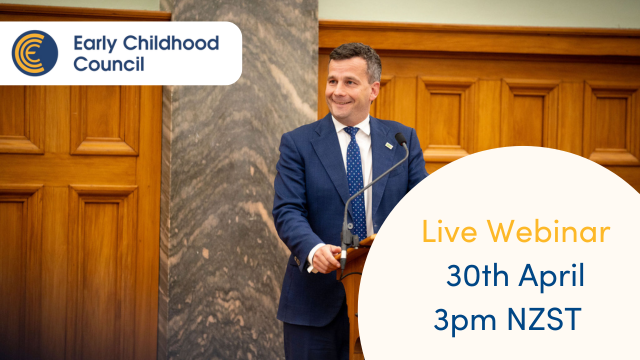
1-187 Webinar
Creating an Emotionally Intelligent ECE team
This webinar is designed to help early education teams build emotional intelligence to move from simply managing people to genuine human connection.



Join the ECELU Club!
What will you learn?

About the presenter
Dylan Sulzer
Founder | Emotional Intelligence Educator
Not Just A Teacher Education
For over a decade, I've worked across primary, secondary and inclusive education settings-supporting students with complex needs, leading wellbeing initiatives and mentoring educators and school leaders. That journey has taken me through mainstream classrooms, specialist behaviour support roles, middle leadership and whole-school capacity-building projects.
What I've learned along the way is that emotional intelligence isn't something extra we add on top of our jobs. It's the foundation that helps everything else work. It determines how we manage conflict, build trust, handle pressure and genuinely connect with the people around us. I've seen firsthand how schools shift when staff feel emotionally safe, when students understand their triggers and when conversations around behaviour start with curiosity instead of consequence.
My interest in emotional intelligence is deeply personal. I’ve lived with trauma and its effects since I was young, which has shaped me into the person I am today. It taught me early on that our inner world powerfully shapes the way we show up in the world around us. That insight has shaped the way I teach, lead, coach and create. It's what led me to build Not Just A Teacher Education, where I now work with schools, early learning centres, families and organisations to embed practical emotional intelligence into everyday practice. I do what AI can't and that's be human. Whether it's working with leadership teams, educators or students through our student identity program: My Brand, our work is grounded in neurology, real-life challenges, language people actually use and tools that can be picked up and used the very next day.
What I've learned along the way is that emotional intelligence isn't something extra we add on top of our jobs. It's the foundation that helps everything else work. It determines how we manage conflict, build trust, handle pressure and genuinely connect with the people around us. I've seen firsthand how schools shift when staff feel emotionally safe, when students understand their triggers and when conversations around behaviour start with curiosity instead of consequence.
My interest in emotional intelligence is deeply personal. I’ve lived with trauma and its effects since I was young, which has shaped me into the person I am today. It taught me early on that our inner world powerfully shapes the way we show up in the world around us. That insight has shaped the way I teach, lead, coach and create. It's what led me to build Not Just A Teacher Education, where I now work with schools, early learning centres, families and organisations to embed practical emotional intelligence into everyday practice. I do what AI can't and that's be human. Whether it's working with leadership teams, educators or students through our student identity program: My Brand, our work is grounded in neurology, real-life challenges, language people actually use and tools that can be picked up and used the very next day.
What others said about this webinar:
I love this webinar. Being a leader in the under 2's room, this guided me to be a good role model to my team and to create an emotionally intelligent kaiako environment.
— MARISSA
I really enjoyed this webinar and will be researching further information from Dylan's website. I have learnt some strategies to help how I feel and respond in a stressful situation, and I can see this being really helpful to my teachers and will be suggesting they all watch it.
— HAYLEY
It teaches us that an emotionally intelligent ECE team creates a caring, respectful, and supportive environment for children, families, and educators. It helps teachers build positive relationships, manage challenges calmly, and work collaboratively with others. When educators model empathy and emotional awareness, children also learn important social and emotional skills for life.
— KANCHAN
Want to learn more about leadership?
Download the app
Learn on the go, any time, anywhere
Open 24/7 for flexible learning options


Write your awesome label here.


© ECE Learning Unlimited 2024. All Rights Reserved